Smart Storage Strategies to Maximize Your Custom Closet Systems

A custom closet system is one of the best investments you can make in your home, but the design alone doesn't guarantee it stays organized. How you use the space matters just as much as how it was built. I've found that even the most beautifully designed closets become cluttered over time when there's no clear strategy behind the way things are stored. A little intentionality goes a long way in keeping a custom closet system working the way it was meant to.
Most closet organization advice focuses on buying more products or adding more storage. What actually works is using the space you already have more deliberately, and that starts with understanding what your closet needs to do for you on a daily basis. That shift in thinking is what separates a custom closet that stays organized from one that doesn't.
Here are the strategies that make the biggest difference in how well your custom closet systems work for you day to day.
- Start with a declutter
- Make the most of vertical space
- Create dedicated zones for different categories
- Invest in the right hardware
- Store accessories smartly
- Plan for seasonal items
- Keep it dynamic
Each strategy builds on the last, so it's worth going through all of them before making any changes to your closet.
Here are all 7 sections, carefully written with all instructions followed:
Start With a Declutter
A custom closet system can only do so much when it's filled with things that don't belong there. Clothes that haven't been worn in years, accessories that no longer get used, and items that ended up in the closet simply because there was nowhere else to put them all take up space that could be working harder for you. I've found that the most dramatic closet transformations don't come from adding more storage but from removing what no longer needs to be there in the first place. That shift in mindset is what makes the difference between a closet that stays organized and one that doesn't.
Decluttering doesn't have to be an all-day project to be effective. Tackling one section at a time, starting with clothing and working toward accessories and seasonal items, keeps the process manageable. A simple rule of thumb is to ask yourself whether you've reached for something in the past year. If the answer is no, it's worth reconsidering whether it deserves prime closet real estate.
A regular decluttering habit is what keeps a custom closet system from reverting to its old state. A quick seasonal review of what's hanging, folded, and stored goes a long way in keeping the space lean and functional. Less in the closet almost always means more out of it.
Make the Most of Vertical Space
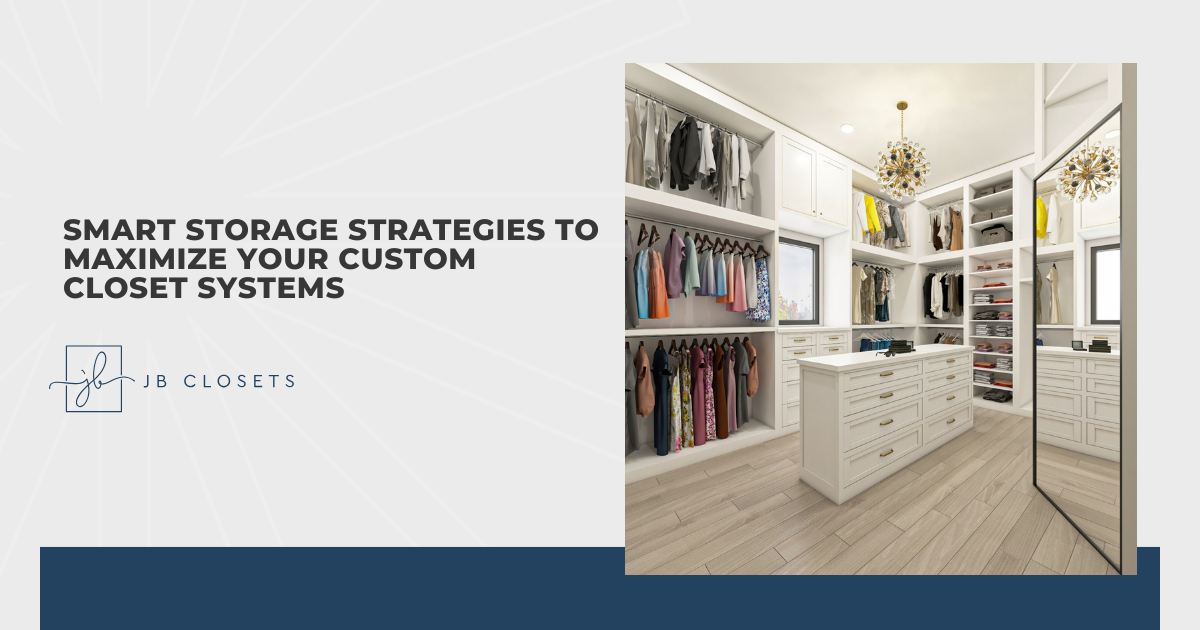
Standard closets waste more vertical space than most people realize. A single hanging rod and one shelf above it leaves a significant portion of the closet unused, and that adds up quickly in smaller spaces where every inch matters. Custom closet systems are built to address this, but taking full advantage of vertical space requires thinking about the entire height of the closet from floor to ceiling. Most people never look up when thinking about closet storage, and that's exactly where the most untapped potential tends to be.
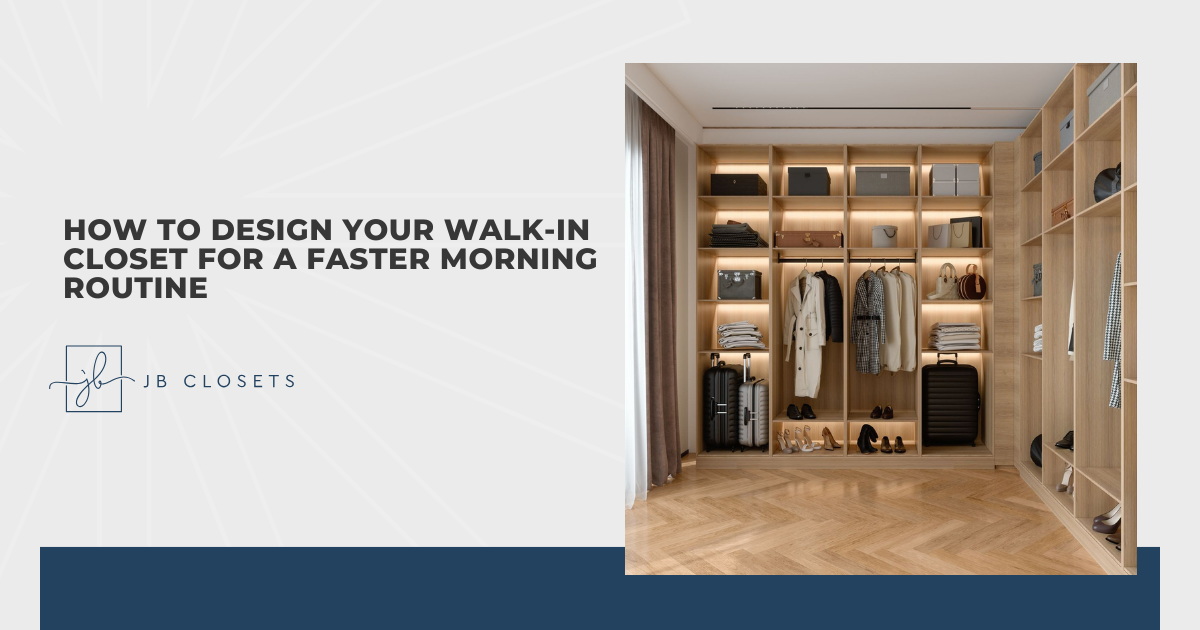
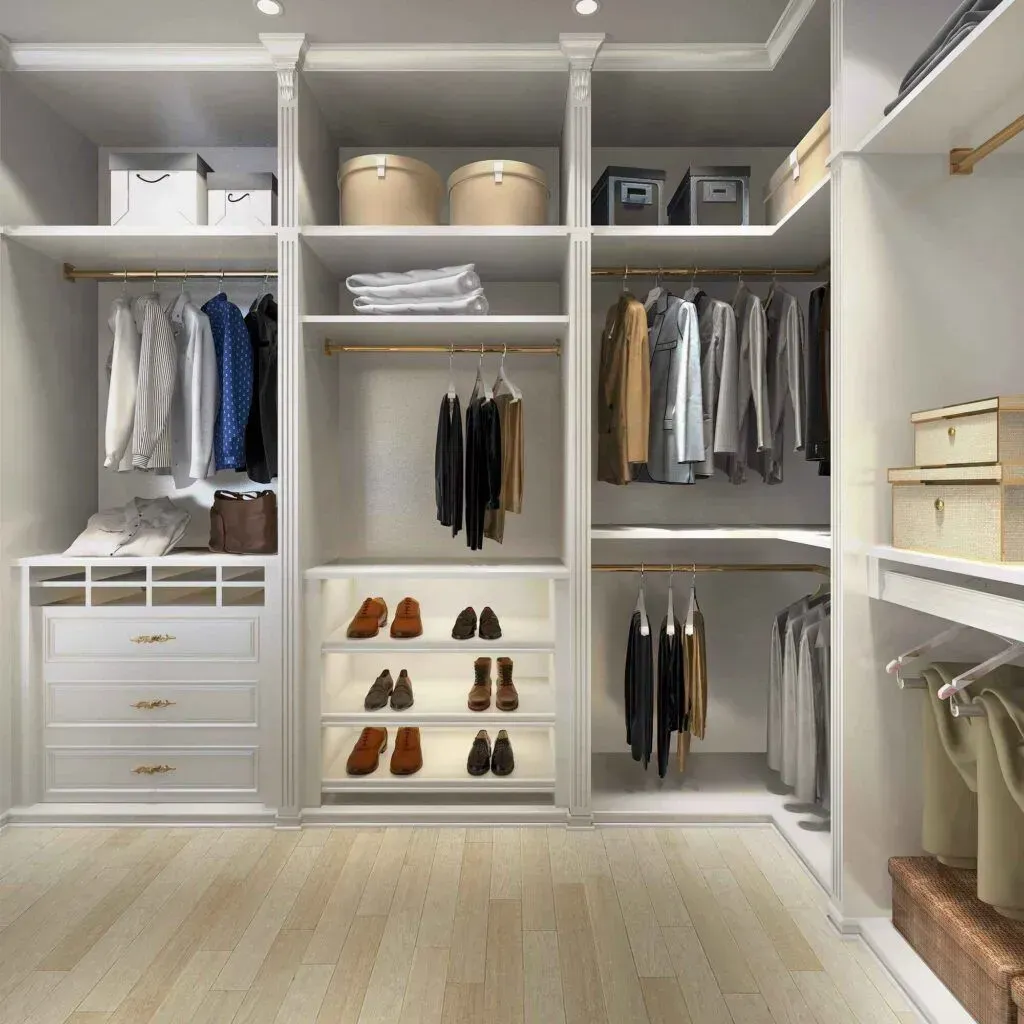
Double hanging rods are among the most effective ways to immediately double the hanging capacity of a closet without expanding its footprint. Short hang sections for shirts, jackets, and folded pants free up the lower rod for items that don't need full-length hanging space. High shelving above the main hanging area is ideal for storing items that don't need frequent access, like seasonal clothing, luggage, and extra bedding. Floor-to-ceiling shelving on open wall sections captures space that often goes completely ignored.
Adjustable shelves offer the flexibility to reconfigure the layout as storage needs change over time. Vertical space is the most underutilized asset in most closets, and using it purposefully makes a custom closet system feel significantly larger than its actual square footage.
Create Dedicated Zones for Different Categories
Mixing clothing, shoes, accessories, and seasonal items together in the same space is among the fastest ways to undo even the most organized closet setup. When everything shares the same real estate without clear boundaries, the closet becomes harder to navigate and easier to leave in disarray. Dedicated zones for each category of item give a custom closet system its structure and make it intuitive to use on a daily basis.
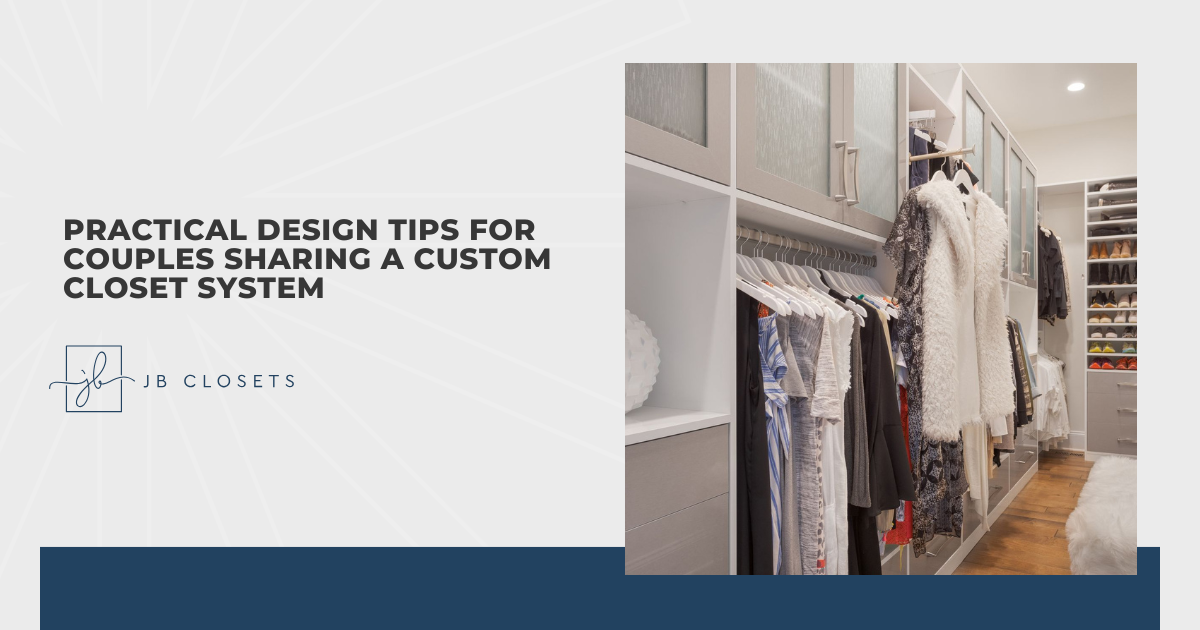
Clothing zones should be broken down further by type, with separate sections for hanging items, folded pieces, and items that need drawers. Keeping all shirts together and all pants together makes it easier to see everything at a glance and find what you're looking for without searching. The more specific the zones, the less effort it takes to put things back where they belong after each use.
Shoes and accessories benefit from their own dedicated sections away from clothing. Shoes stored on open shelving or in pull-out racks are easier to see and access than those piled on the closet floor. Accessories like bags, belts, and scarves stored in their own clearly defined area are far less likely to get lost among clothing. Finding smaller items before heading out the door stops being a daily frustration when everything has a designated home.
Invest in the Right Hardware
The hardware inside a custom closet system has a bigger impact on daily functionality than most people give it credit for. Pull-out shelves, specialized racks, and dedicated hanging solutions transform the way a closet works without changing its overall footprint. From my own experience, the right hardware is almost always the difference between a closet that feels effortless to use and one that requires constant reorganizing.
Valet rods are a simple addition that makes a significant difference in the morning routine. A designated spot to hang tomorrow's outfit the night before eliminates the scramble of getting dressed in a hurry, and it keeps freshly ironed or dry-cleaned items from getting wrinkled before they're worn. Pants racks and tie and belt racks keep specific categories of items accessible, visible, and in better condition than folded or stacked alternatives. Hardware decisions that seem minor during the planning stage tend to have an outsized impact on how the closet actually feels to use every day.
Pull-out shelves are worth prioritizing in any section of the closet where items tend to pile up or get buried. Shoes, folded sweaters, and accessories stored on fixed shelves at the back of the closet are easy to forget about and hard to reach without disturbing everything in front of them. Pull-out shelves bring everything within easy reach and make the most of depth that would otherwise go to waste.
Store Accessories Smartly
Accessories are some of the smallest items in a closet and consistently the hardest to keep organized. Jewelry tangles, belts coil into awkward piles, watches get scratched, and bags lose their shape when they're not stored properly. Accessories are also among the most expensive items in a wardrobe, which makes proper storage more than just an organization preference. Without a dedicated system for each category, even a carefully planned closet tends to have at least one chaotic corner where smaller items accumulate.
Jewelry drawers lined with velvet or felt protect delicate pieces from scratching and tangling while keeping them visible and easy to sort through. Sectioned trays within the drawer separate rings, earrings, bracelets, and necklaces so nothing gets lost or damaged. Pull-out hooks for belts and scarves keep these items untangled, accessible, and in far better condition than folded alternatives.
Bags and handbags deserve their own dedicated shelf or cubby section rather than being stacked on top of each other. Stuffing bags with tissue or using bag inserts helps them maintain their shape over time. Watches and sunglasses stored in lined drawers or display cases stay protected and are far easier to find than when they're scattered across a shelf or surface. Displaying bags on open shelving also makes it easy to grab the right one without disturbing the rest.
Plan for Seasonal Items
Seasonal clothing and accessories present a unique challenge in any closet, but the problem is more manageable than most people think. Giving seasonal items a dedicated home within the custom closet system rather than letting them compete for the same space as everyday clothing is what makes the difference. When seasonal items have a clearly defined section, rotating them in and out at the start of each season becomes a straightforward task rather than a disruptive overhaul.
High shelving and deep storage drawers are ideal for out-of-season items that don't need frequent access. Clear bins with labeled contents make it easy to identify what's stored without pulling everything down to check. Vacuum storage bags work particularly well for bulky items like winter coats and heavy sweaters, as they compress down significantly and free up a surprising amount of shelf and hanging space. For anyone working with a smaller closet, this single strategy alone can make a dramatic difference in how much space is available for everyday items.
Seasonal accessories like hats, scarves, and gloves also need a designated home rather than being tucked into whatever space is available at the end of the season. A dedicated drawer or labeled bin for each category keeps these items organized and easy to find when the weather changes. Seasonal transitions become faster and less stressful when everything has a place to go.
Cluttered Entryways and Mudrooms
The entryway is the first thing people see when they walk into a home, and in most households it's also the most consistently cluttered space in the entire house. Shoes pile up by the door, bags get dropped on the floor, and coats end up draped over whatever surface is closest. Without a designated place for everything that comes in and out of the house daily, the entryway becomes a dumping ground by default. If this sounds like your entryway, you're far from alone.
Custom closet systems extend well beyond the bedroom, and entryways and mudrooms are some of the spaces that benefit most from a tailored organization solution. Built-in cubbies for shoes, hooks at the right height for bags and coats, and dedicated drawers for keys, mail, and everyday essentials give every item that passes through the entryway a specific home. Bench seating with storage underneath adds functionality without taking up additional floor space. Once everything has a designated spot, keeping the entryway tidy stops feeling like a constant battle.
Families with children have even more to manage in the entryway, from backpacks and lunchboxes to sports gear and seasonal outerwear. Assigning a dedicated cubby or section to each family member makes it clear where things belong and reduces the time spent searching for items on the way out the door. Morning routines run noticeably smoother when the entryway is set up to handle everything the household brings in and out on a daily basis.
Keep It Dynamic
A custom closet system that worked perfectly two years ago may not be the right fit for how you live today. Wardrobes evolve, lifestyles change, and the storage needs that made sense at one point in life don't always translate to the next. Treating the closet as a fixed, permanent setup rather than something that can be adjusted over time is one of the most common reasons carefully designed closets stop working as well as they once did.
A seasonal review of the closet layout, separate from the decluttering process, is a habit worth building into the routine. Looking at what's working, what's getting ignored, and where frustration points have crept back in gives a clear picture of what needs to change. Small adjustments made regularly are far less disruptive than a full reorganization every few years. In my opinion, the closets that stay functional the longest belong to people who treat organization as something that evolves rather than something that gets done once and forgotten.
Modular custom closet systems make this kind of ongoing adjustment easier than most people expect. Shelves can be repositioned, sections can be repurposed, and hardware can be swapped out as needs shift over time. Staying flexible about the layout is what keeps a custom closet system delivering value long after the initial installation.
Conclusion
Maximizing a custom closet system isn't a one-time project but an ongoing process that evolves alongside the way you live. None of these strategies are complicated, but applying all of them consistently is what separates a closet that stays organized from one that doesn't. Decluttering regularly, using vertical space strategically, creating clear zones, investing in the right hardware, and planning for seasonal changes all work together to keep the closet functional without requiring constant effort. What you put into the system is exactly what you get out of it.
Recent Posts