How Much Does It Cost to Install Custom Garage Cabinets?

Bret Chevrier • June 29, 2026
How Much Does It Cost to Install Custom Garage Cabinets?

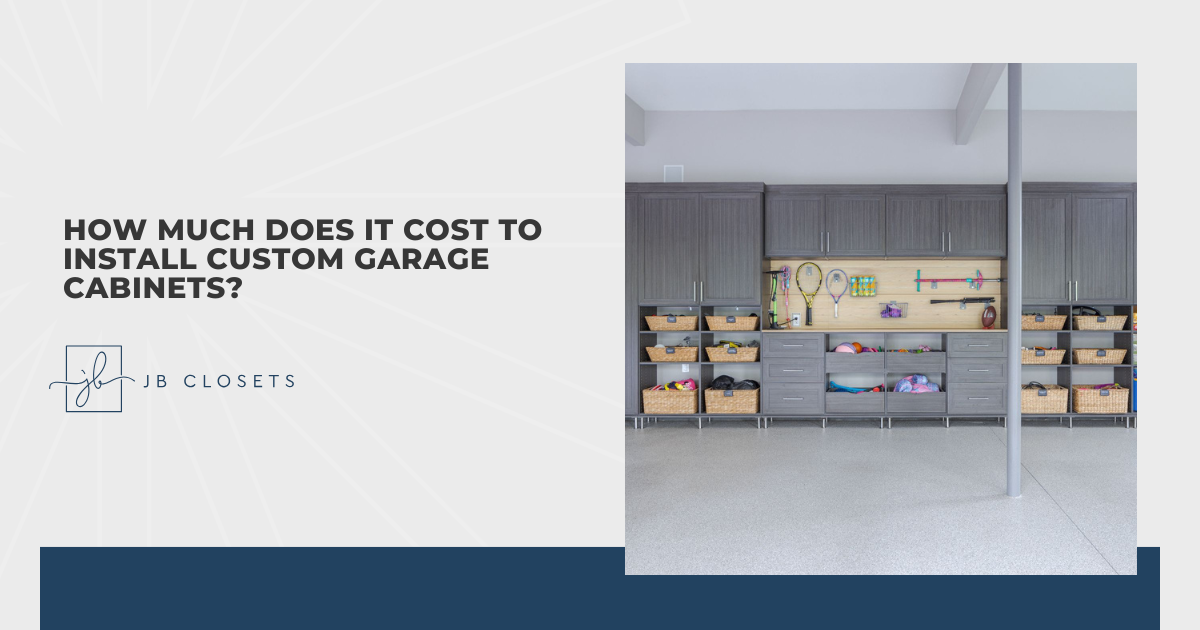
Custom garage cabinets rank among the smartest upgrades you can make to your space, but the price tag is usually the first thing that gives you pause. The cost to install garage cabinets ranges widely, and the spread surprises a lot of people. A basic setup might run a few hundred dollars, while a premium, fully custom system can climb past ten thousand. Your final price depends almost entirely on the specific choices you make along the way.


What makes garage cabinets tricky to price is how many variables go into a single project. The choices you make at each stage stack on top of one another, which is why one quote can look nothing like the next. Some of those choices barely move the needle, while others can double your total. Knowing which is which puts you in control of the budget instead of at the mercy of it.


Below are the factors that most affect the price of custom garage cabinets:


  • The material you choose for your cabinets
  • The size and layout of your garage
  • Custom-built vs. prefabricated options
  • Door styles, finishes, and hardware
  • Add-ons like countertops, drawers, and workbenches
  • Professional installation and labor
  • Comparing quotes and timing your purchase


Read on to see how each one affects your bottom line and where you can save without cutting corners.


Material is the single biggest factor in what you'll pay, and it sets the baseline for everything else. Budget-friendly garage cabinets are usually built from melamine or MDF, which keep costs low while holding up well for everyday storage. You can expect these materials to land at the affordable end, often a few hundred dollars per unit, and for a garage that stays reasonably dry, they're a smart, cost-effective pick. They perform best in climate-controlled spaces, so they're an easy choice when your garage isn't exposed to heavy moisture.


Plywood lands a step up and tends to be the sweet spot for heavier loads, since it resists warping and takes the temperature swings a garage faces in stride. Powder-coated steel or aluminum occupies the premium end, the kind of build you'd find in a high-end workshop. In my experience, these are worth it for anyone storing serious weight or working in a garage that doubles as a shop. They carry heavy tools without sagging, though they command the very top of the price range.


So before you start comparing quotes, decide how hard your cabinets actually need to work. A dry garage with everyday storage is well served by an MDF build, while a humid or heavy-use workshop is where steel earns its premium. Be honest about what you'll store and the conditions you'll store it in. Match the material to your real-world use, and you'll land on the right balance of cost and performance for your space.

The amount of space you're outfitting has a direct effect on the total, and it's the factor people tend to underestimate. A single wall of cabinets costs far less than a full perimeter build, and the price climbs with every additional linear foot you cover. Taller cabinets that reach toward the ceiling add material and labor on top of that. Before you set a budget, measure the run of wall you actually want covered, since that number drives the quote more than almost anything else.


Layout complicates the math in ways a simple measurement won't capture. A clean, uninterrupted wall is the easiest and cheapest to fit, while windows, doors, outlets, and a water heater all force custom adjustments that raise the cost. Uneven floors and out-of-square walls call for extra leveling and shimming, which adds labor hours to the install. The more your garage deviates from a clean rectangle, the more you'll pay to work around its quirks.


Ceiling height and vehicle clearance shape the design too, especially when you want storage above the hood of a parked car. A garage that doubles as a workspace often needs a mix of base cabinets, wall units, and tall lockers, and each type carries its own price. Sketch out how you move through the space and where you actually need storage. A plan built around your real layout keeps you from paying for cabinets in spots you'll never reach.

How custom you go is one of the clearest dividing lines in the final price. Prefabricated cabinets come in standard sizes and ship ready to mount, so they cost less and install quickly. You'll find them at home improvement stores and through online retailers, and for a straightforward garage with standard dimensions, they get the job done well. The limit is fit, since stock sizes rarely match your walls exactly, and you may end up with gaps or wasted corners.


Custom-built cabinets are made to your measurements, which is where the price difference shows up. They make the most sense when your garage has an awkward layout or you want the storage to use every inch of available space. You choose the dimensions, the configuration, and how the units work around obstacles, so nothing goes to waste. That precision costs more, but it solves problems a stock system simply can't.


Plenty of garages land somewhere in between, pairing prefab base units with a few custom pieces where they matter most. This hybrid approach keeps costs in check while still solving the tricky spots, and it's the route I suggest most often. Look at your walls and decide where a perfect fit is worth paying for and where standard sizing will do. Spending on customization only where it counts is how you get a build that fits without paying custom rates across the board.

Once the structure is settled, the details you choose on the outside start to move the price. Open shelving and basic cabinets without doors sit at the low end, while full door fronts add both material and cost. Sliding doors, glass inserts, and frameless designs push the number higher still. None of these are required for a functional setup, so they're one of the easier places to dial spending up or down based on your budget.


Finishes work the same way. A standard laminate or paint-grade surface keeps costs modest, while powder-coated, textured, or wood-veneer finishes carry a premium for their look and durability. The finish also affects how the cabinets hold up to grease, scuffs, and cleaning, so the pricier options often earn their keep in a hard-working garage. Decide how much the appearance matters to you, since this is largely an aesthetic choice rather than a structural one.


Hardware is the detail people overlook, yet it adds up fast across a full set of cabinets. Soft-close hinges, full-extension drawer slides, locking handles, and heavy-duty pulls each cost more than their basic counterparts. The upgrades genuinely improve daily use, especially soft-close mechanisms and drawers that pull all the way out. Choose the hardware that you'll appreciate every time you open a door, and skip the extras on the units you rarely touch.

This is the category where I see budgets stretch the most, because the extras are easy to keep adding once you picture how you'll use the space. A countertop turns a row of base cabinets into a real work surface, and the material sets the cost. Butcher block and laminate come in affordable, while stainless steel or solid hardwood run much higher. If you plan to actually work at the counter, it's worth spending here for a surface that can take the abuse.


Drawers cost more than open shelves or basic cabinet boxes, since each one needs slides, a face, and extra assembly. Deep drawers for power tools and full-extension models that reach the very back add to that figure. They earn their cost in convenience, though, especially for small items that get lost on a shelf. Decide how many drawers you truly need rather than defaulting to a drawer bank across the whole run.


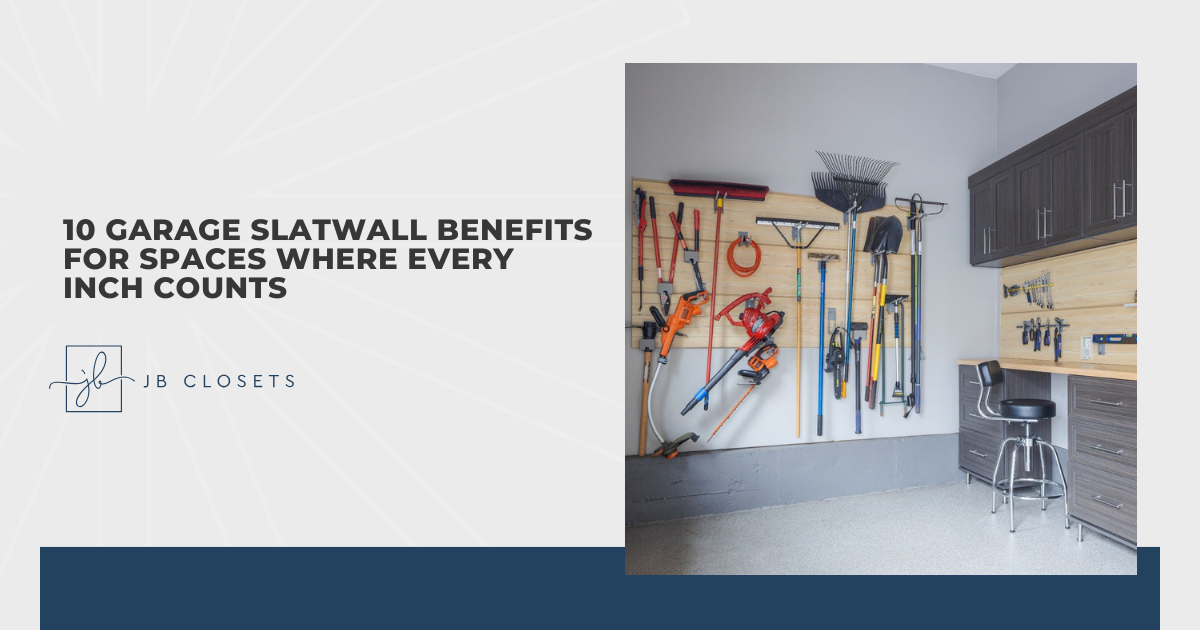
Built-in workbenches, slatwall panels, and integrated lighting round out the common add-ons. A dedicated workbench adds material and labor, while slatwall lets you hang tools on walls the cabinets don't cover. Lighting under wall units makes the counter usable after dark and costs relatively little to include. The trick with add-ons is restraint, since a few well-chosen extras improve the space while a long wishlist quietly doubles your total.

Labor is the line item people forget when they price out garage cabinets, yet it can account for a sizable share of the total. Most installers charge based on the size of the job and the number of units they're mounting, so a bigger system means more hours on the clock. Some companies fold installation into the cabinet price, while others quote it separately, which makes the bids harder to compare at a glance. Always ask exactly what the labor figure covers before you sign off on anything.


The condition of your garage drives the labor cost as much as the cabinet count does. Anchoring cabinets securely to the wall takes time, and uneven floors or out-of-square walls call for leveling and shimming that add hours. A clean, finished garage installs quickly, while a space with exposed studs or old drywall may need prep work first. The harder it is to mount the cabinets safely, the more you'll pay for the time it takes.


Experience is worth paying for on a job like this. A seasoned installer mounts heavy cabinets so they stay put under load, gets the doors and drawers aligned, and spots problems before they become expensive. A cut-rate crew can leave you with cabinets that sag, doors that don't close right, or anchors that pull loose down the line. Weigh the quote against the installer's track record, since the cheapest bid often costs more once you factor in the fixes.

Once you understand what drives the price, the last step is shopping smart enough to land a fair one. Gather at least three itemized quotes rather than settling on the first number you hear, since prices for the same project can vary widely between companies. An itemized bid breaks out materials, hardware, add-ons, and labor separately, which lets you see exactly where your money goes. A single lump sum hides those details and makes it nearly impossible to tell one quote from another.


Read the fine print on what each bid actually includes before you compare them side by side. One company might include removal of your old shelving and a finish upgrade, while another quotes a bare install and charges for both as extras. Ask whether the price covers delivery, hardware, and any prep work your garage needs, since these line items are where surprise costs hide. The lowest number on paper isn't always the lowest number you'll pay.


Timing can work in your favor if you're flexible about when the work happens. I've found that installers tend to offer better rates during their slower stretches, often in late fall and winter once the busy season winds down. Booking during a quiet period can mean a faster turnaround and more room to negotiate. Plan your project a little ahead of when you need it, and you give yourself the leverage to wait for the right price instead of taking whatever's available.


The real answer to what garage cabinets cost is that you hold more control over the number than it first appears. Material choice, hardware, and the installer you hire each nudge the total up or down in ways you can plan around. When you walk into the process knowing what matters for your space, the price that once felt like a mystery becomes a budget you actually shaped. Your garage is worth getting right, and now you know what it takes to do it on your terms.

Share this article

Recent Posts

Practical Design Tips for Couples Sharing a Custom Closet System
By Bret Chevrier June 26, 2026
Design a custom closet system that two people can share comfortably with smart zoning, adjustable storage, and a layout planned around how you both get ready.
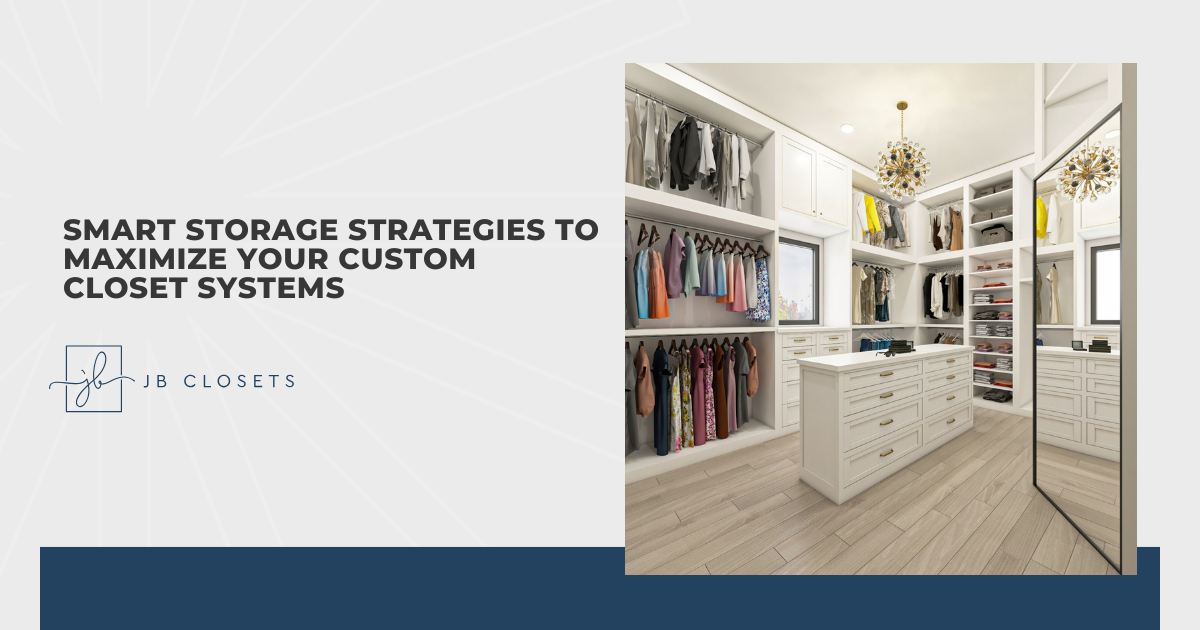
Smart Storage Strategies to Maximize Your Custom Closet Systems
May 28, 2026
Learn how to get more out of your custom closet system with simple storage strategies that keep your space organized, functional, and working for you every day.
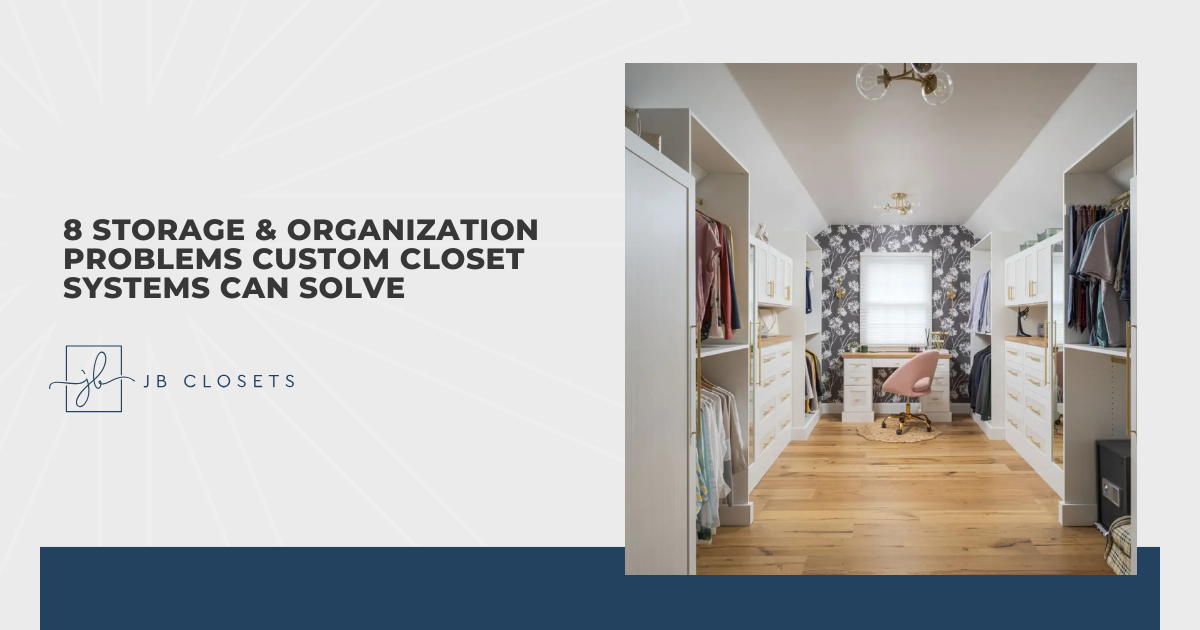
8 Storage & Organization Problems Custom Closet Systems Can Solve
By Bret Chevrier May 28, 2026
Discover how custom closet systems can solve the most common storage and organization problems homeowners face, from limited space to cluttered entryways.
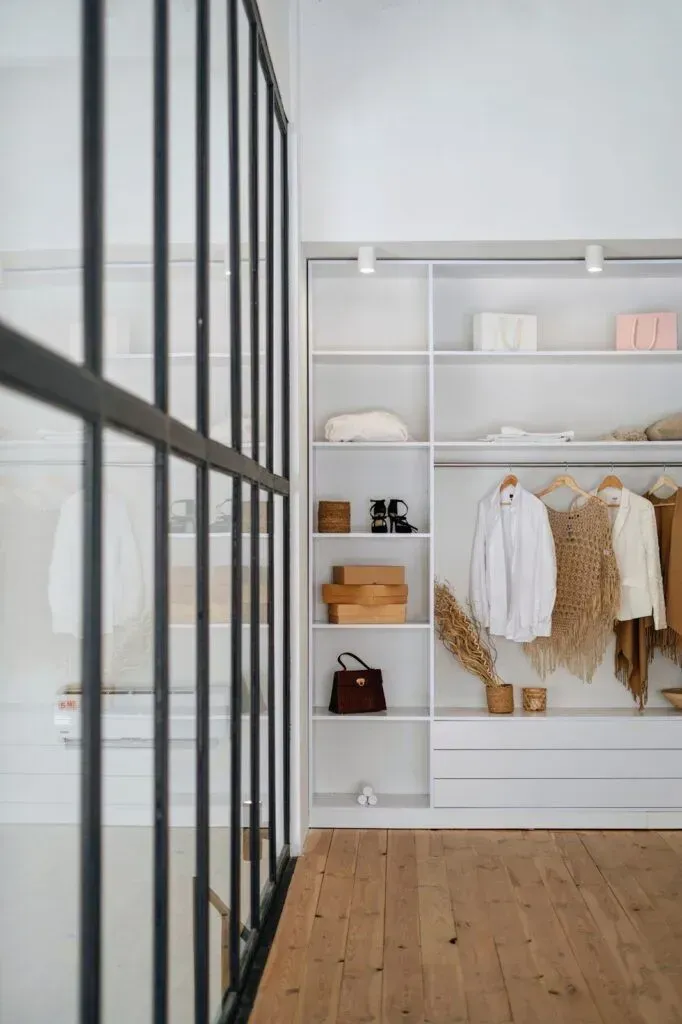
Custom Closet Design Tips for Small Bedrooms
By Bret Chevrier September 28, 2023
Maximize your small bedroom with custom closet design tips that enhance storage, improve organization, and create a stylish, clutter-free space.

Small Entryway Closet Makeover: Space Saving Tips
By Bret Chevrier September 14, 2023
Transform your small entryway closet with smart space-saving tips, clever organization ideas, and stylish solutions to keep your home tidy and functional.
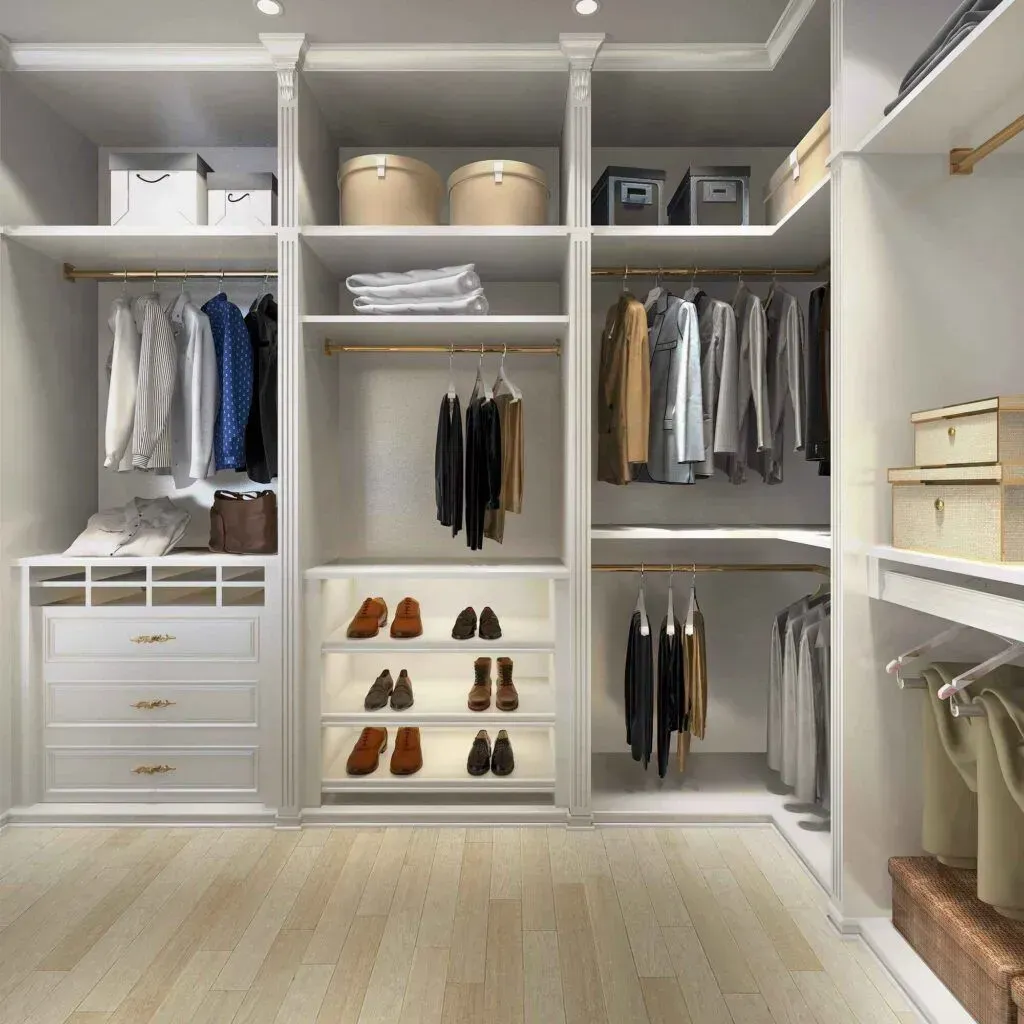
Custom Closet vs. Standard Closet: What Are the Differences?
By Bret Chevrier August 31, 2023
Discover the key differences between custom closets and standard closets, from design flexibility and storage efficiency to cost, quality, and overall home value.
How to Create Your Dream Laundry Room
By Bret Chevrier August 17, 2023
Design your dream laundry room with smart storage, efficient layouts, and stylish features that make everyday chores easier and more enjoyable.
How Custom Closets Increase Home Value
By Bret Chevrier July 27, 2023
Boost your home’s value with custom closets that maximize storage, enhance organization, and add a touch of luxury buyers love.
Designing Your Dream Closet: Tips for Custom Closet Layout and Planning
By Bret Chevrier July 13, 2023
Create your dream closet with smart layout and planning tips. Discover how to maximize space, improve organization, and design a custom closet that fits your lifestyle.
Luxury Custom Closet Features You Need in Your Florida Home
By Bret Chevrier June 28, 2023
Luxury Custom Closet Features You Need in Your Florida Home
Show More