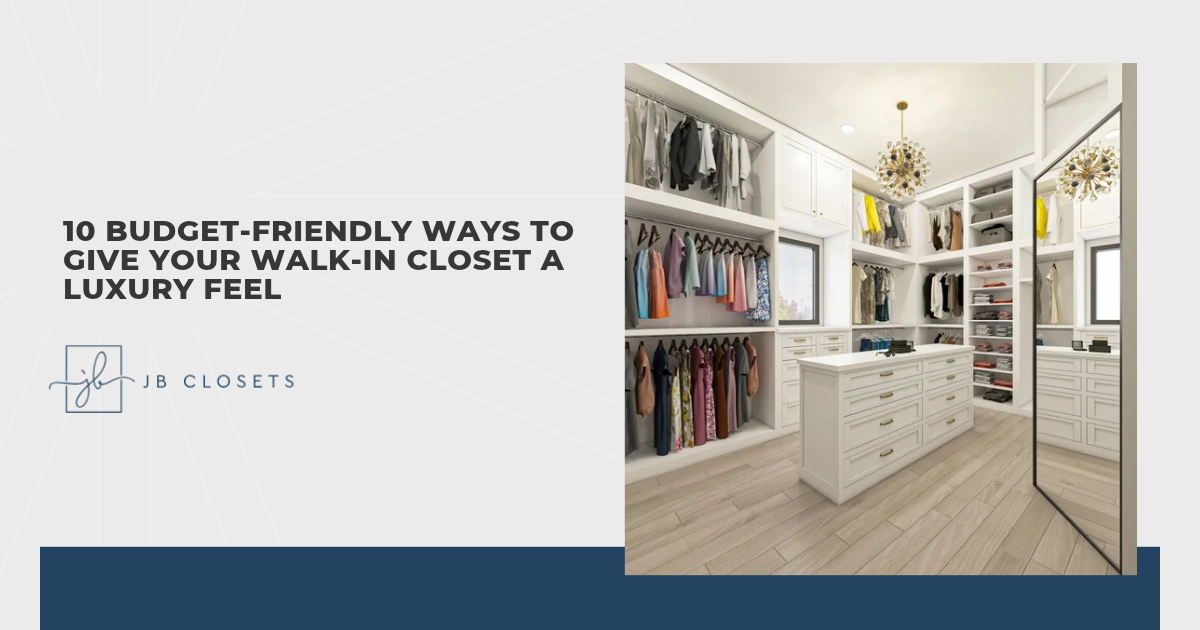
10 Budget-Friendly Ways to Give Your Walk-In Closet a Luxury Feel

Bret Chevrier • October 21, 2026
10 Budget-Friendly Ways to Give Your Walk-In Closet a Luxury Feel

Your walk-in closet can feel luxurious even if a full remodel isn’t in your budget. Much of its appeal comes from how the space looks and feels when you step inside to get dressed. A room with coordinated details and space to move can feel inviting, even with simple finishes. You can build on what you already have by identifying the areas that make the room feel unfinished.


Those areas give you a useful starting point for deciding where to spend. Before buying anything, I’d look at what catches your attention when you enter and what frustrates you during your morning routine. An improvement that addresses both deserves a place near the top of your list. You can then make changes gradually, with each purchase serving a clear purpose.


These budget-friendly ideas can help you give your walk-in closet a more luxurious feel:


  • Create breathing room around your wardrobe
  • Give hanging clothes a consistent look
  • Coordinate storage containers on open shelves
  • Refresh drawer and cabinet hardware
  • Improve lighting where you get dressed
  • Add a well-placed full-length mirror
  • Fit accessory trays inside your drawers
  • Soften the floor with a right-sized rug
  • Replace an exposed laundry pile with a hamper
  • Style one shelf as a personal display

Explore how each idea could fit your space and help you make the most of your decorating budget.


Packed clothing rods can make even a spacious closet feel cramped. Sleeves catch on neighboring hangers, and pulling out one shirt can disturb several others. Before adding anything new, give your wardrobe enough room for you to see and handle it comfortably. Some open space between groups of clothes can make the entire closet feel less crowded.


Start by reviewing what’s taking up room in your everyday storage. Clothes you no longer wear may be ready to donate or sell, while unrelated household items may belong elsewhere. I’d begin with the most crowded area so you can see a noticeable improvement without emptying the entire closet. Keep occasional-use clothing in less accessible spots, leaving convenient space for the pieces you reach for regularly.


Once you’ve removed what doesn’t belong, spread the remaining clothing along the rod so hangers slide easily. Give folded stacks enough clearance that you can lift an item without scraping the shelf above. You don’t need to leave large sections empty or pare your wardrobe down to an impractical size. The luxury comes in being able to browse what you own without squeezing past it or wrestling it free.

A mix of wire, plastic, and bulky wooden hangers can make your clothing rod look busy. Different hanger shapes also leave garments sitting at uneven heights, which adds to the visual jumble. Coordinated hangers give your hanging clothes a more consistent appearance. You can create this effect with affordable options in a shared color or finish.


Your garments should guide the hanger styles you choose. Broad, shaped hangers support jackets at the shoulders, while slimmer options can suit lightweight shirts. Pants and skirts may need clips or dedicated bars, so identical hangers won’t suit every item. A coordinated set can include these different shapes while still looking cohesive.


For a gradual update, I recommend starting with the rod you see first when you enter. Count the garments in that section before shopping so you don’t end up spending money on a large pack you won’t use. Keep suitable hangers elsewhere until you’re ready to replace them, and use any matching ones you already own. Even one coordinated row can give your walk-in closet a more finished appearance.

Open shelves put everything on display, including the packaging you’d usually tuck away. A mix of cardboard boxes and loose belongings can make your closet feel unfinished, even when you know where everything is. Baskets or storage boxes give these smaller items a consistent outer appearance. You can choose a shared color or material while using different sizes to suit each shelf.


My advice is to choose each container based on what you’ll store inside. Soft scarves may fit neatly in a fabric bin, while occasional-use accessories may suit a box with a lid. Measure your shelf openings and allow enough clearance to pull containers out comfortably. Pieces you use often should remain easy to reach without moving another box or removing a stack of lids.


Check your existing containers before buying a matching set. You may already have several that work together when grouped on the same shelf. If you need more, start with the shelves at eye level, where the change will be most visible. A few well-fitting containers can give exposed storage a finished look without filling every opening with something new.

Drawer pulls and cabinet knobs are small details you notice each time you reach for something. If yours look worn or feel out of step with the room, a different style can refresh the cabinetry’s appearance. Your existing drawer fronts may look more refined with simple hardware in a consistent finish. This gives you a focused update without the expense of replacing usable cabinets.


For hardware, I put comfort alongside appearance because you’ll handle these pieces daily. Look for shapes that give your fingers enough room and feel comfortable to grip. A decorative pull may look appealing in a photo but feel awkward on a drawer you open every morning. If possible, try a sample before ordering enough for the whole closet.


Compatibility also affects how affordable the change will be. Have the spacing between existing mounting holes checked before selecting replacement pulls. Hardware that fits those holes can help you avoid additional drilling or visible repairs, though the base should also cover any marks left by the old pieces. Ask your closet professional about suitable options and installation help if you’re unsure what will fit.

Dim corners can leave your closet feeling dull, even when the storage looks neat. You may have plenty of light in the center of the room but struggle to see clothing beneath a shelf. Before choosing a decorative fixture, notice where shadows interfere with getting dressed. Your budget will go further if you focus on the area that needs better visibility.


A more luxurious feel doesn’t require a chandelier or an elaborate lighting system. Depending on your space, an improvement to the main fixture or a light serving one dark section may be enough. Keep the light’s appearance consistent across the room so you don’t have a distracting mix of yellowish and bluish tones. You’ll want comfortable illumination that helps you see your clothing without glare.


Installation costs deserve a place in your budget alongside the fixture itself. Prioritize useful light at the clothing rod or dressing area before spending extra on a statement piece. Have a qualified electrician assess changes involving wiring and confirm that fixtures suit their closet location. With the lighting chosen for how you use the room, getting dressed can feel easier and more pleasant.

Checking your outfit is easier when you can see it without leaving the closet. A full-length mirror gives you a dedicated place to do this while adding a decorative feature to the room. Its reflection can also help a narrow space feel more open. You don’t need an oversized or custom-made piece to enjoy these benefits.


Choose the location before deciding on the mirror’s size. You’ll need enough distance to see your full outfit without backing into a clothing rod or doorway. Consider what the mirror will reflect, since a view of an orderly area can make the room feel more inviting. Check the position with cabinet doors and drawers open so your dressing spot stays practical.


A mirror you already own may work well if its proportions suit the available wall space. If you’re buying one, compare standard sizes and choose a simple frame that complements your closet’s finishes. Include secure mounting in your plans, and arrange installation help if the mirror’s weight or wall surface requires it. Once it’s in place, you’ll have a convenient spot for a final outfit check before heading out.

A drawer feels more refined when its contents stay neatly separated as you open it. Small accessories can easily disappear beneath one another, leaving you to rummage for the piece you want. Fitted trays give these items individual spaces and make the drawer easier to scan. You can improve the experience of using your existing storage without replacing the cabinetry.

Choose tray compartments that suit the accessories you reach for regularly:


  • Jewelry Compartments: Small divided spaces keep earrings and rings visible without mixing them together.
  • Watch Sections: Larger individual compartments give each watch room to rest without crowding neighboring pieces.
  • Eyewear Dividers: Long sections separate pairs of glasses so you can select one without lifting another.

I’d put the first tray in your most-used drawer, where it can make a daily difference. Before buying, measure the drawer’s usable interior and check that the tray and its contents will allow it to close comfortably. Leave room for accessories that don’t fit standard compartments. A well-matched insert makes choosing the finishing touch for your outfit feel less hurried.

Bright walk-in closet with white cabinets, hanging clothes, wooden floor, and a pink chair by the window.

Stepping onto a soft rug can make getting dressed feel more comfortable, especially if your closet has a hard floor. The texture also adds warmth to a room filled with smooth cabinetry. You can choose a subtle pattern for interest or a solid color that works with the existing finishes. A modest-size rug may be all you need beneath your dressing spot.

Fit matters more than how much floor you cover. Measure the available area and check the clearance beneath any doors that swing across it. Your rug should sit flat without curling at the edges or bunching against cabinet bases. Choose a suitable nonslip backing or pad to help keep it stable underfoot.

For everyday use, look for a low-pile option that’s easy to vacuum and maintain. A thick, fluffy rug may feel appealing, but it can interfere with door movement and be harder to clean. Check the care instructions before buying so you know what upkeep will involve. With a comfortable surface beneath your feet, the closet can feel more like a place to pause while you get ready.


Worn clothing can quickly become the first thing you notice in an otherwise tidy closet. A pile beside the dresser interrupts the room’s finished appearance and takes up walking space. A dedicated hamper gives laundry a clear destination as soon as you change. You can contain it neatly without adding a built-in laundry cabinet.


For this purchase, I’d judge size by how much laundry collects between washdays. A compact hamper may look appealing but won’t help much if clothing regularly spills over its sides. Check its footprint against the available space, leaving room to open nearby drawers and doors. Place it close to where you undress so putting clothes away feels convenient.


Choose a finish that works with your cabinetry or nearby storage containers. A lid can conceal the contents, but it should be easy to open during your usual routine. If you carry laundry to another room, a removable bag or comfortable handles can make the trip easier. The hamper earns its place by keeping worn clothing contained until washday.

Your favorite belongings can double as decoration when you give them a dedicated spot. A handbag you love or a framed photograph can add personality to your walk-in closet without another shopping trip. Choose one shelf where you’ll notice the display while getting ready. Keeping it contained lets you add a decorative touch while preserving space for everyday storage.


Start with one item you’d enjoy seeing each morning. If the shelf feels bare, add a smaller companion piece with a different height or shape. Leave enough space around both so their details remain visible and you can lift either one easily. You can create a boutique feel with a simple arrangement that gives each piece room to stand out.


Keep frequently used items within comfortable reach, even when they’re part of the display. Avoid placing decorations in front of clothing you need or creating an arrangement that’s awkward to dust. If you have to dismantle it to reach something behind it, simplify the setup. The most appealing finishing touch is one that feels personal and fits naturally into your day.


Luxury in your walk-in closet can begin with one improvement you appreciate each morning. Choose a change that fits your budget and makes getting dressed more pleasant, then give yourself time to decide what else the room needs. You don’t have to complete every idea for the space to feel more inviting. A closet that feels finished is one you enjoy using long after the newness wears off.

Share this article

Recent Posts

10 Garage Slatwall Benefits for Spaces Where Every Inch Counts
By Bret Chevrier • September 22, 2026
Turn wasted wall space into real storage with garage slatwall, which is a flexible system designed to keep tools organized and floor space clear in any garage.
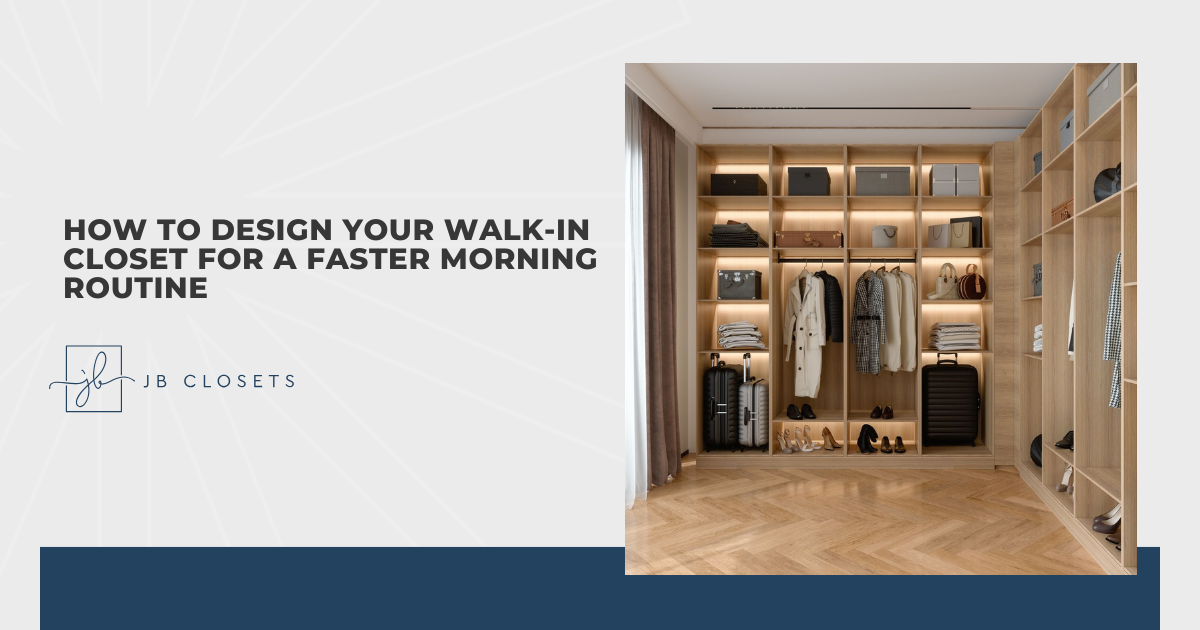
How to Design Your Walk-In Closet for a Faster Morning Routine
By Bret Chevrier • August 25, 2026
Rethink your walk-in closet with a few practical tweaks that help you see what you own, stay organized, and start each day without the usual morning scramble.
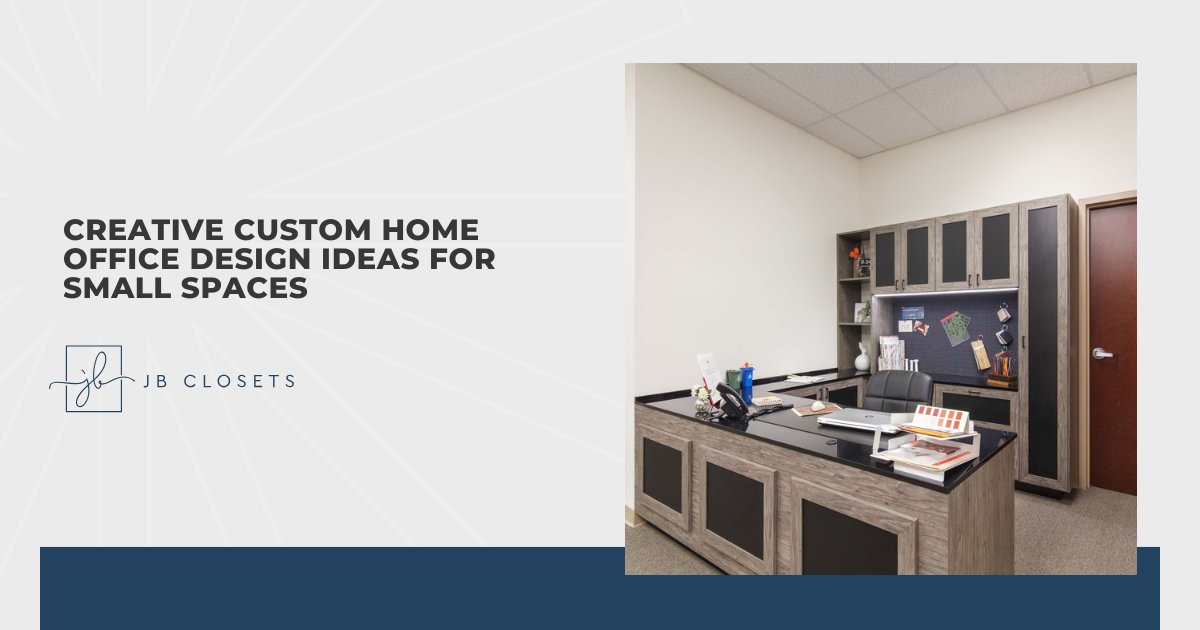
Creative Custom Home Office Design Ideas for Small Spaces
By Bret Chevrier • July 20, 2026
Explore creative custom home office design ideas for small spaces, including built-in desks, closet conversions, and clever space-expanding lighting solutions.
How Much Does It Cost to Install Custom Garage Cabinets?
By Bret Chevrier • June 29, 2026
Learn what custom garage cabinets cost to install and the factors that shape your final price so you can set a realistic budget before you call an installer.
Practical Design Tips for Couples Sharing a Custom Closet System
By Bret Chevrier • June 26, 2026
Design a custom closet system that two people can share comfortably with smart zoning, adjustable storage, and a layout planned around how you both get ready.
Smart Storage Strategies to Maximize Your Custom Closet Systems
May 28, 2026
Learn how to get more out of your custom closet system with simple storage strategies that keep your space organized, functional, and working for you every day.
8 Storage & Organization Problems Custom Closet Systems Can Solve
By Bret Chevrier • May 28, 2026
Discover how custom closet systems can solve the most common storage and organization problems homeowners face, from limited space to cluttered entryways.
Custom Closet Design Tips for Small Bedrooms
By Bret Chevrier • September 28, 2023
Maximize your small bedroom with custom closet design tips that enhance storage, improve organization, and create a stylish, clutter-free space.

Small Entryway Closet Makeover: Space Saving Tips
By Bret Chevrier • September 14, 2023
Transform your small entryway closet with smart space-saving tips, clever organization ideas, and stylish solutions to keep your home tidy and functional.
Custom Closet vs. Standard Closet: What Are the Differences?
By Bret Chevrier • August 31, 2023
Discover the key differences between custom closets and standard closets, from design flexibility and storage efficiency to cost, quality, and overall home value.
Show More