How to Design Your Walk-In Closet for a Faster Morning Routine

Bret Chevrier • August 25, 2026
How to Design Your Walk-In Closet for a Faster Morning Routine

A cluttered, poorly organized walk-in closet can quietly steal more time from your morning than you'd think. What looks like a small inconvenience adds up fast when you're digging for a missing shoe or a belt you swear you just saw yesterday. I've helped clients cut their entire get-ready time just by rethinking how their closet was laid out.


Designing your closet with intention comes down to three important things: sequence, visibility, and access. Even simple placement choices can shave time off your routine when the items you reach for most are kept within easy reach. When your closet works with your routine instead of against it, getting dressed becomes quick, calm, and almost thoughtless, which is exactly how it should feel.


You might be surprised how much a few smart tweaks can transform walk-in closets from cluttered to calm, so here's exactly what I focus on first:


  • Zone your closet by outfit type
  • Switch to clear storage for easy visibility
  • Upgrade your lighting
  • Install pull-out drawers
  • Add a full-length mirror & getting-ready station
  • Include a built-in hamper for worn clothing
  • Create a dedicated accessories area
  • Use labeled bins to stay organized
  • Arrange items by frequency of use


Keep reading, and I'll break down each step so you can redesign your walk-in closets without second-guessing a single choice.


Your walk-in closet works best when similar clothes live together. Work clothes, casual wear, and formal pieces each need their own section so your eyes know exactly where to go each morning. Once zones exist, getting dressed shifts from a search to a quick scan.


Most people don't run out of space, they run out of order. Gym gear, office looks, and weekend pieces all get tangled when they share the same rod without boundaries. Separate them clearly and you'll notice how fast outfit decisions come when similar items sit side by side.


Zones also protect your closet from slowly collapsing back into chaos. I've found that once each category has a defined home, putting items back feels obvious rather than optional. Stick with those boundaries and your closet stays sorted with barely any effort on your end.

Forgetting what you own is one of the most common closet problems, and solid bins make it worse. Clear storage fixes that by letting you see every item at a glance without pulling anything down. On a busy morning, that visibility alone saves real minutes.


Here are three clear storage options worth using in your walk-in closet:


  • Shoe Boxes with Clear Fronts: Clear-front shoe boxes let you identify each pair without pulling anything out. Your shoes stay protected from dust and scuffs, and you'll stop restacking the same boxes to find what you need.
  • Transparent Sweater Bins: See-through bins keep folded knits visible while shielding them from moths and moisture. You can grab the right layer fast instead of unfolding a whole stack to get to it.
  • Acrylic Accessory Trays: Clear trays hold small items like belts and scarves in plain sight. Nothing disappears into the back of a drawer again because everything reads at a glance.


I like clear storage because it holds you accountable to what's already in your closet. When you can see every jacket and pair of jeans, duplicate purchases drop and impulse buys feel harder to justify. Your walk-in closet becomes an honest inventory rather than a mystery.

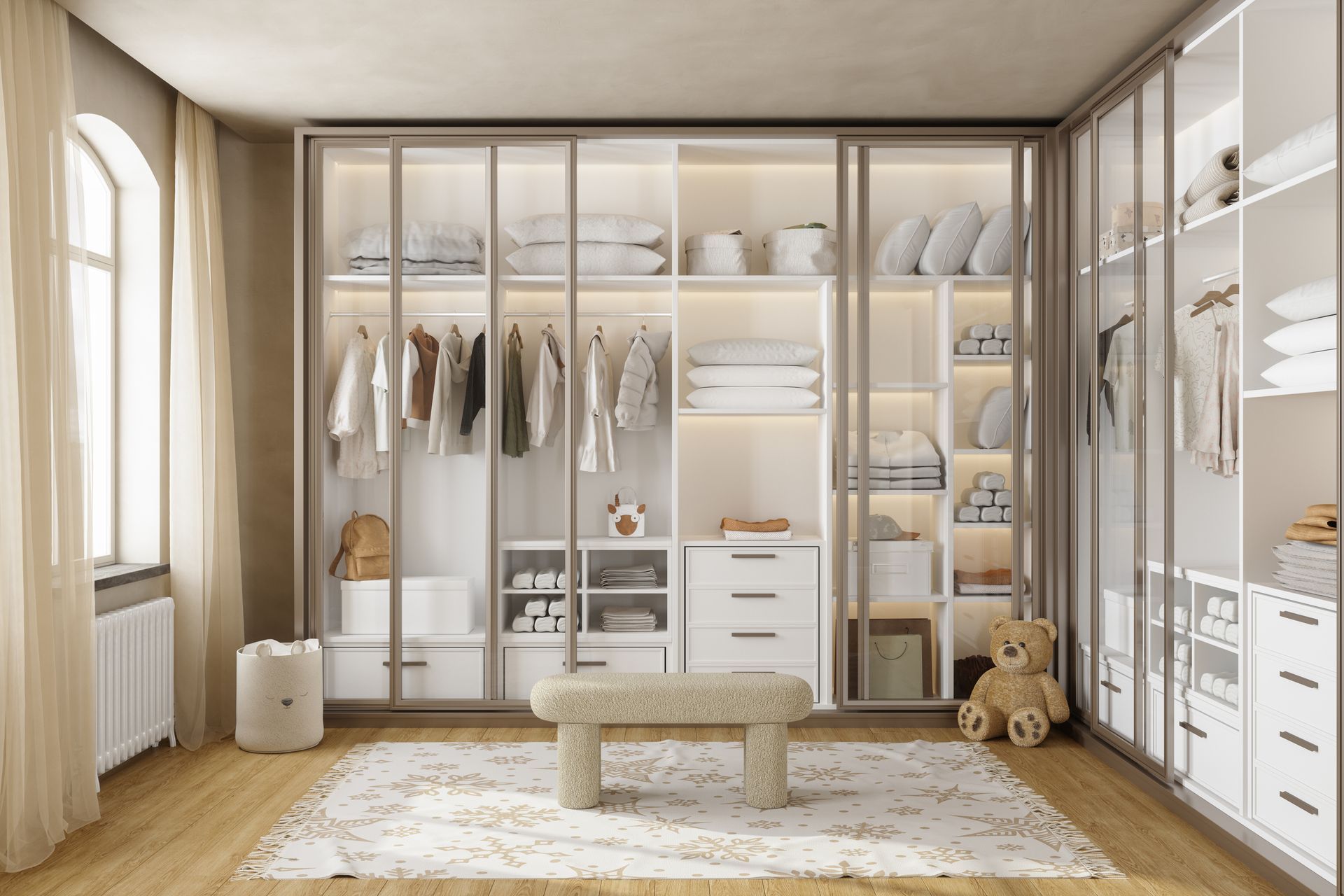
kids walk in closets

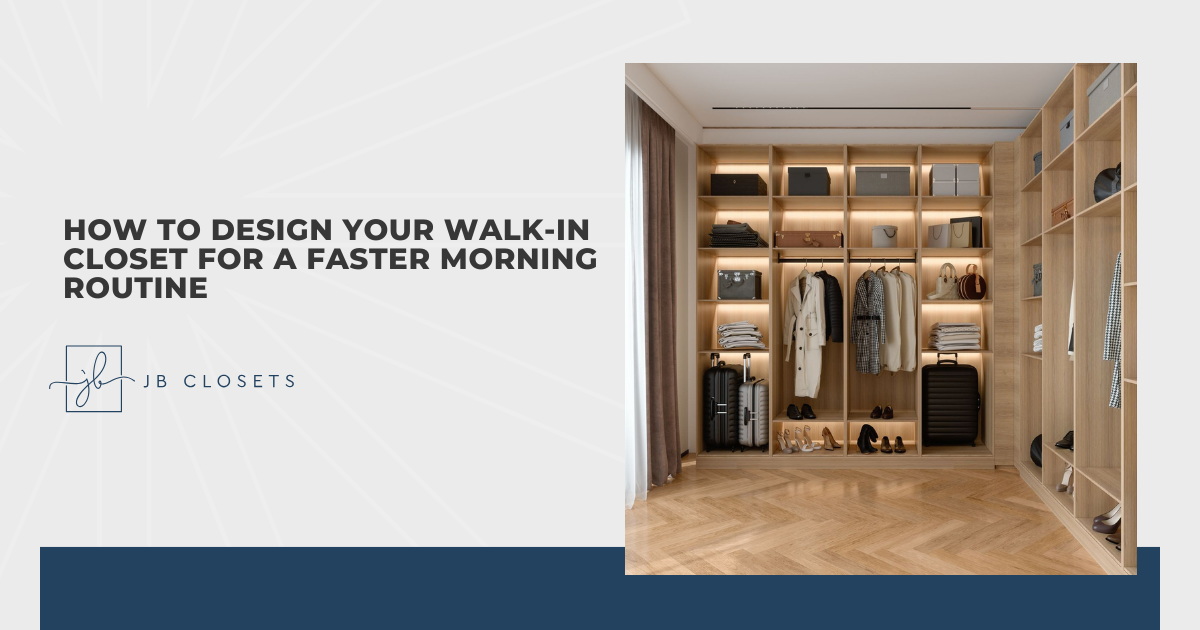
Poor lighting quietly undoes even the most organized walk-in closet. Dim corners hide colors, textures, and stains, which leads to outfit mistakes you don't catch until you're already out the door. Bright, even light across every shelf lets you judge pieces accurately before you commit to wearing them.


LED strips mounted under shelves and along hanging rods erase shadows without requiring major electrical work. Warm-white bulbs around 3000K show clothing colors most accurately, so what you see in your closet matches what you'll see outside. Motion-sensor fixtures add a nice touch too, switching on the moment you step in.


I always tell clients that lighting is the upgrade most people skip and almost always regret skipping. You can zone perfectly, label everything, and invest in great storage, yet still fumble in a poorly lit space. Small lighting changes deliver an outsized return in a walk-in closet you use every single day.

Fixed shelves have a real problem: whatever sits at the back stops getting used. Pull-out drawers solve that by sliding the full depth toward you so every item comes forward and stays reachable. Folded pieces stay flat, small items stay put, and nothing vanishes into a forgotten corner.


I've watched walk-in closets gain serious usable capacity just from swapping deep shelves for drawers. Socks, underwear, and accessories finally get a consistent home instead of shifting around in a pile. You end up actually using far more of your closet's space when drawers replace those awkward, hard-to-reach zones.


Soft-close hardware keeps drawers from slamming and holds up better over time. Divide the interior with inserts so contents don't migrate every time you open and close them. Built well, drawers quietly become the hardest-working feature in your entire closet.

Leaving your walk-in closet just to check an outfit in another room breaks your whole routine. A full-length mirror on the door or an interior wall keeps you in one space from the moment you pick clothes to the moment you walk out. Your rhythm stays intact and your mornings run tighter.


I believe a well-designed closet should carry you from bare-handed to fully dressed without a single detour. Set aside space for a small surface, like a shelf or valet tray, where jewelry, a watch, and whatever you reach for last can live. Keep it near the mirror so finishing your outfit and checking your look happen in the same step.


Position your mirror where light hits your face evenly rather than from behind, which tends to create unflattering shadows. If space allows, add a bench or small seat for putting on shoes and making last-minute swaps. Those finishing details push your walk-in closet from functional storage toward a proper personal dressing room.

Worn clothes need a place to go, or they end up on chairs, floors, and back in the clean rotation by accident. Built-in hampers solve that by giving dirty pieces an obvious destination right inside your walk-in closet. You undress, you toss, and the space stays clean without any extra thought.


Laundry is one of the most overlooked parts of a closet design, and I see that mistake often. People plan for what to keep but never plan for what gets worn and needs washing. When a hamper slides out from a base unit or hides behind a cabinet door, it stays functional without cluttering the look of the space.


Consider separate compartments if you sort lights, darks, and delicates before washing — it removes one more step on laundry day. Ventilated designs help fabrics breathe so odors don't build up between loads. Small decisions like these keep your closet fresh and your laundry routine almost automatic.

Belts, watches, jewelry, and scarves disappear fast without a defined home. Accessories are small enough to slip behind bigger items and get lost, which means you stop wearing them even when you actually like them. Dedicating one section of your walk-in closet to these finishing pieces solves that completely.


Below are three storage options that work well for an accessories area:


  • Hooks for Belts and Bags: Wall or rod hooks keep belts and handbags visible and untangled. You'll grab the right piece in seconds instead of pulling apart a knotted pile at the bottom of a drawer.
  • Drawer Inserts for Jewelry: Felt-lined inserts separate rings, earrings, and necklaces so nothing scratches or tangles overnight. Each piece sits in its own slot, ready to complete an outfit without any searching.
  • Open Trays for Daily Items: Simple trays keep everyday accessories like a watch or sunglasses in plain sight. You build a natural grab-and-go habit without rethinking where anything lives each morning.


A well-thought-out accessories area is often what separates a decent walk-in closet from one that truly feels custom. When every extra has its place, you finish outfits faster and rediscover pieces you'd stopped reaching for. Clients tell me that section quietly becomes their favorite part of the whole space.

Guesswork is what eventually breaks most organized closets. You set everything up with intention, then slowly stop remembering which bin holds what, and the whole system slides backward. Labels solve that by making every container self-explanatory for you and anyone else using the space.


Group your bins by category first, then label both the front and the top so they're readable from any angle. Swap handwritten paper tags for printed or reusable labels that hold up to daily use without peeling or fading. Consistent labeling turns your walk-in closet into a system that maintains itself rather than one you have to restart every few months.


I always recommend labels because they make organization feel permanent rather than temporary. Seasonal gear, extra linens, and rarely used items stay sorted long after the initial motivation fades. You spend a few seconds reading a tag instead of minutes opening bin after bin looking for one thing.

Your most-used clothes should be the easiest to reach — full stop. Daily pieces belong at eye level and arm's length, while occasion-only items can live higher up or deeper into the closet. Matching placement to your actual habits means your everyday rotation is always ready without moving anything out of the way.


I've noticed that people give prime real estate in their walk-in closet to things they rarely touch. Formal wear, off-season coats, and special-occasion shoes don't need a front-row spot. Shift those to top shelves or back corners, and open up the accessible zones for what you actually reach for each day.


Revisit your layout each season since habits shift with the weather. July's rotation looks nothing like December's, so let your closet reflect real life rather than a one-time setup. Organized by frequency, your space stays fast and functional with almost no daily effort to keep it that way.


Your walk-in closet should shorten the distance between deciding what to wear and walking out the door. When its design matches the way you dress, you’re less likely to waste time searching, moving things around, or leaving a mess to sort out later. More importantly, a closet built around your actual habits remains practical even as your wardrobe and schedule change. Morning routines are already packed with decisions, so your closet shouldn’t create more of them. Give each part of the space a clear purpose, and getting ready becomes one less thing competing for your time.

Share this article

Recent Posts

Creative Custom Home Office Design Ideas for Small Spaces
By Bret Chevrier July 20, 2026
Explore creative custom home office design ideas for small spaces, including built-in desks, closet conversions, and clever space-expanding lighting solutions.
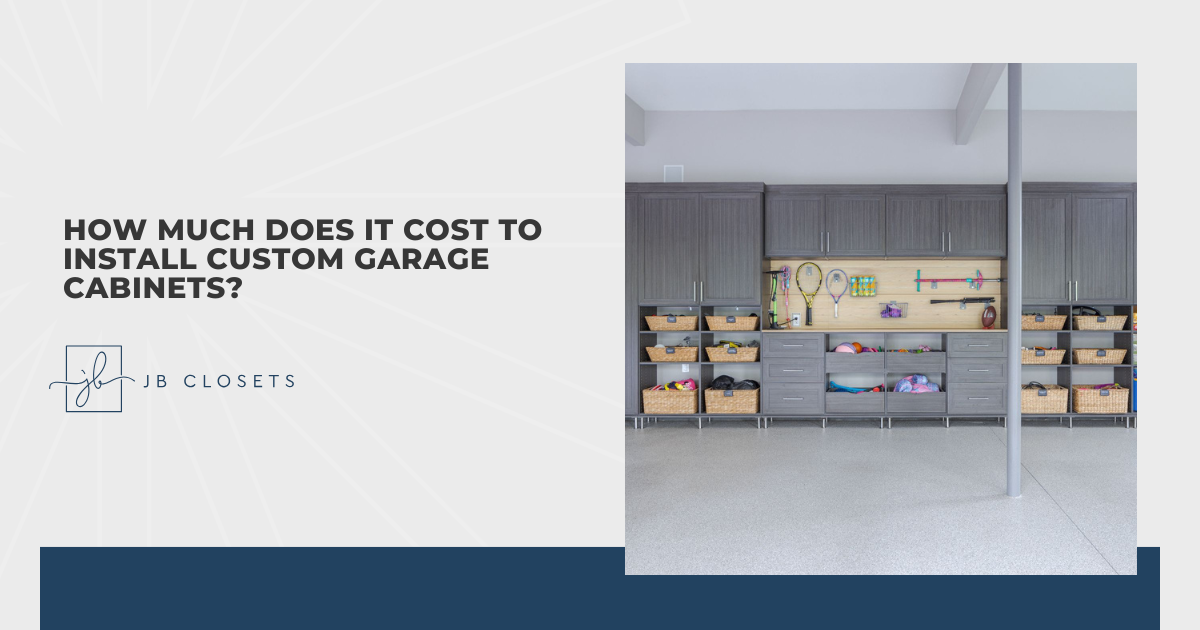
How Much Does It Cost to Install Custom Garage Cabinets?
By Bret Chevrier June 29, 2026
Learn what custom garage cabinets cost to install and the factors that shape your final price so you can set a realistic budget before you call an installer.
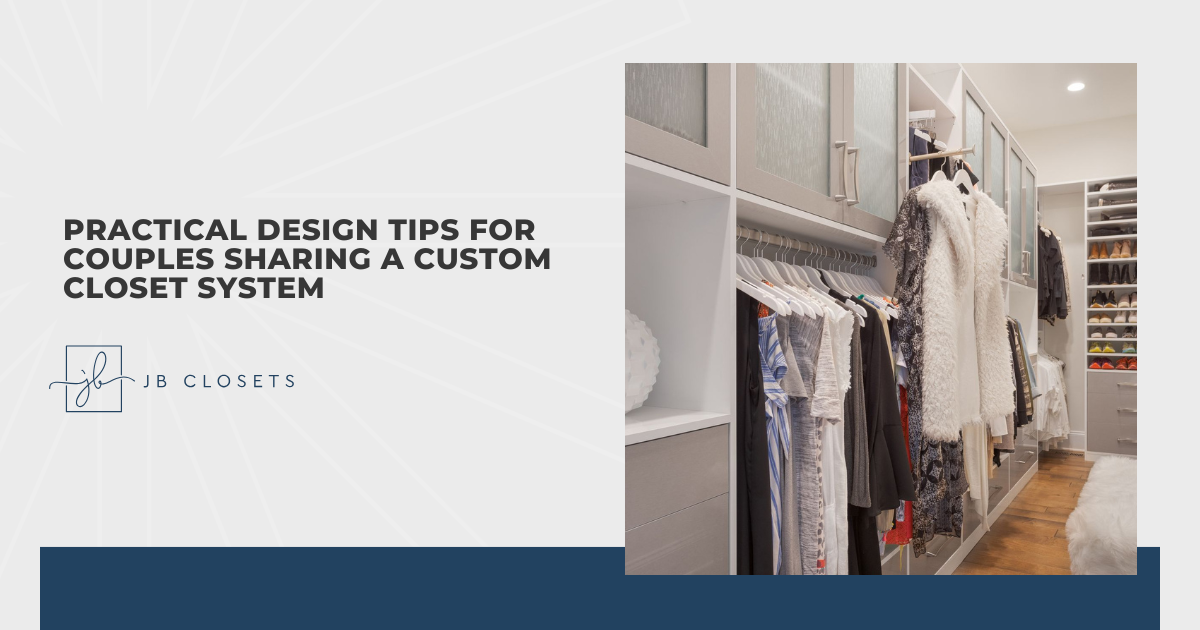
Practical Design Tips for Couples Sharing a Custom Closet System
By Bret Chevrier June 26, 2026
Design a custom closet system that two people can share comfortably with smart zoning, adjustable storage, and a layout planned around how you both get ready.
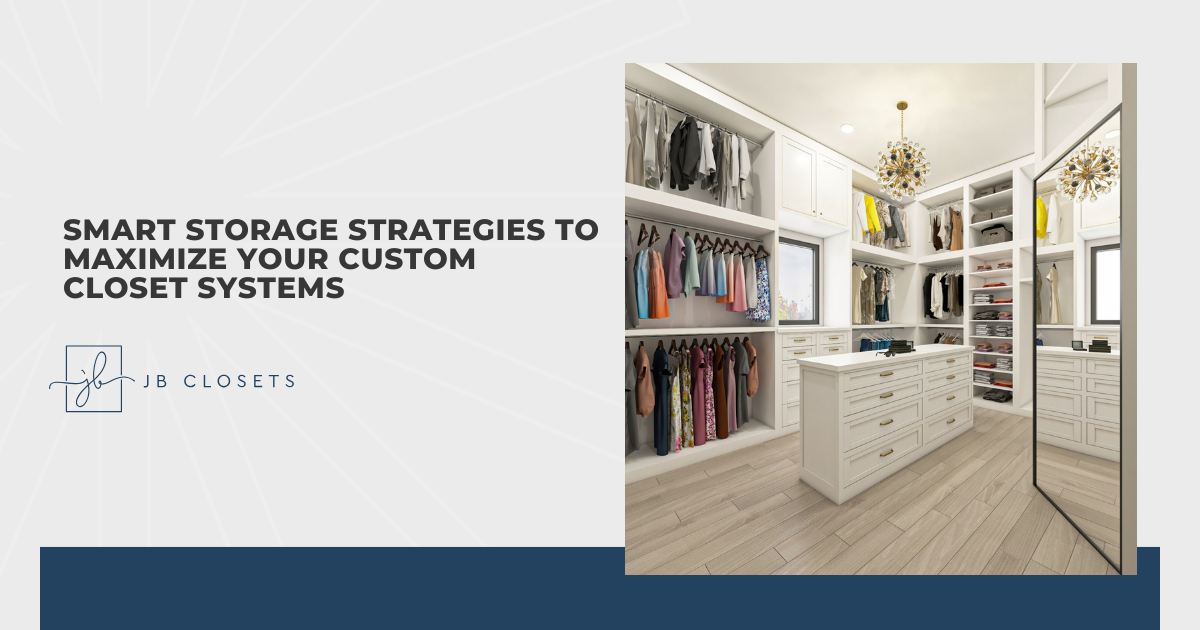
Smart Storage Strategies to Maximize Your Custom Closet Systems
May 28, 2026
Learn how to get more out of your custom closet system with simple storage strategies that keep your space organized, functional, and working for you every day.
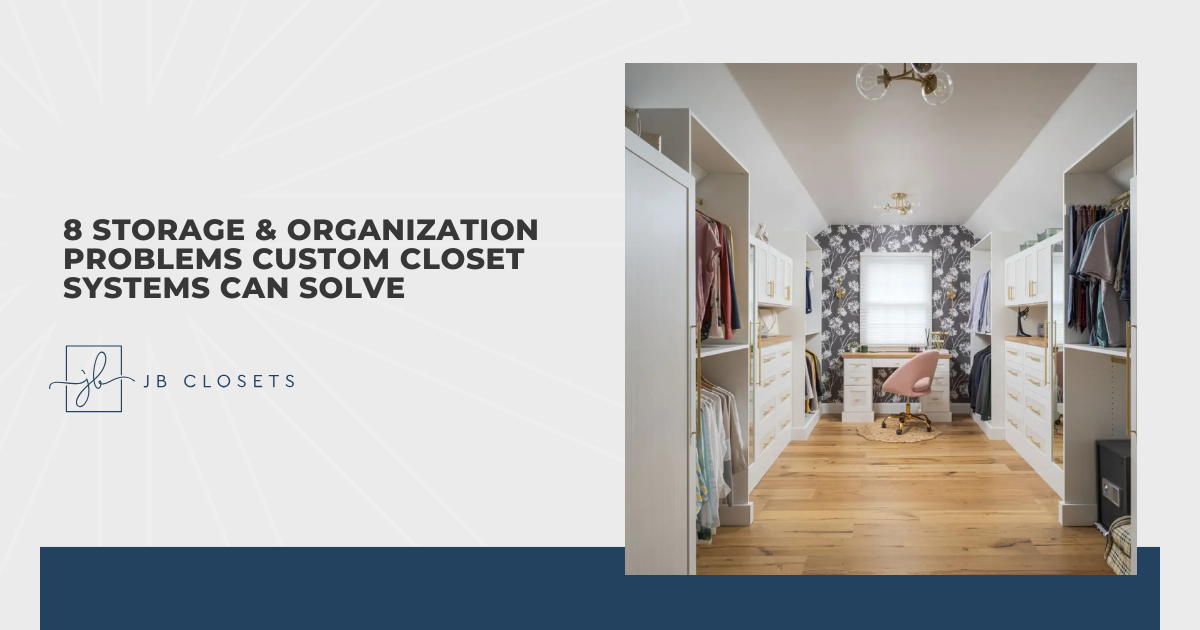
8 Storage & Organization Problems Custom Closet Systems Can Solve
By Bret Chevrier May 28, 2026
Discover how custom closet systems can solve the most common storage and organization problems homeowners face, from limited space to cluttered entryways.
Custom Closet Design Tips for Small Bedrooms
By Bret Chevrier September 28, 2023
Maximize your small bedroom with custom closet design tips that enhance storage, improve organization, and create a stylish, clutter-free space.
Small Entryway Closet Makeover: Space Saving Tips
By Bret Chevrier September 14, 2023
Transform your small entryway closet with smart space-saving tips, clever organization ideas, and stylish solutions to keep your home tidy and functional.
Custom Closet vs. Standard Closet: What Are the Differences?
By Bret Chevrier August 31, 2023
Discover the key differences between custom closets and standard closets, from design flexibility and storage efficiency to cost, quality, and overall home value.
How to Create Your Dream Laundry Room
By Bret Chevrier August 17, 2023
Design your dream laundry room with smart storage, efficient layouts, and stylish features that make everyday chores easier and more enjoyable.
How Custom Closets Increase Home Value
By Bret Chevrier July 27, 2023
Boost your home’s value with custom closets that maximize storage, enhance organization, and add a touch of luxury buyers love.
Show More