
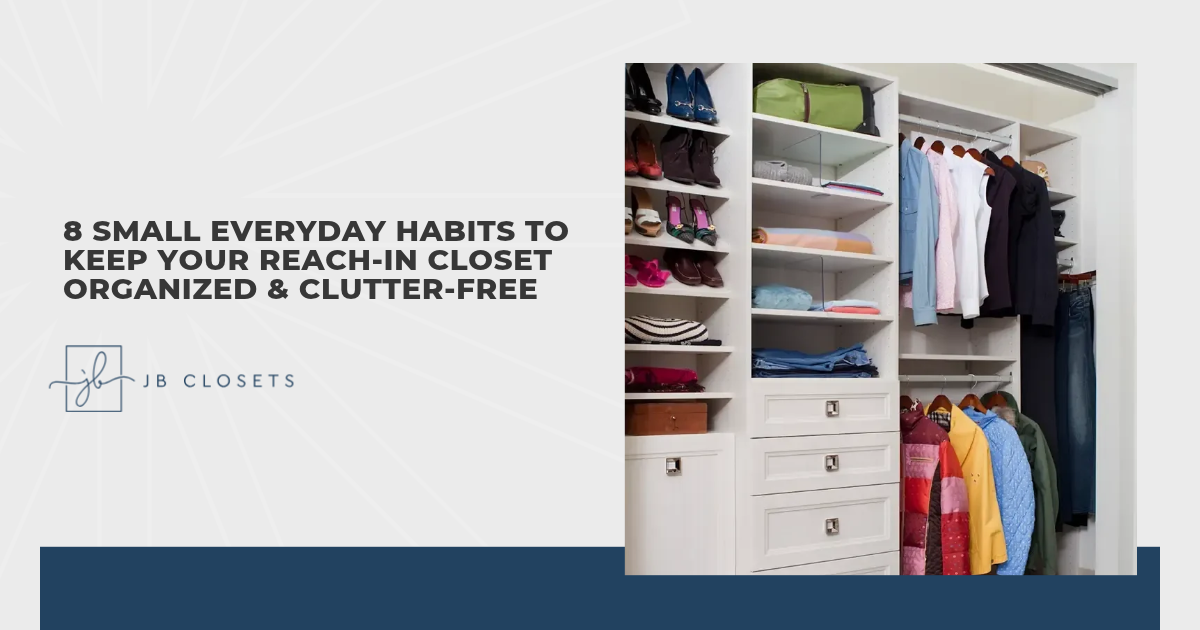

8 Small Everyday Habits to Keep Your Reach-In Closet Organized & Clutter-Free

Bret Chevrier • November 23, 2026
8 Small Everyday Habits to Keep Your Reach-In Closet Organized & Clutter-Free

Even a neatly arranged reach-in closet can look disorganized after a rushed morning. A few shirts you decided against wearing might end up draped over a shelf, while a search for one sweater leaves a folded stack leaning sideways. None of these disruptions takes long to create, but leaving them unfinished gives you more to sort out later.


Small habits tied to getting dressed and changing clothes can help you finish those tasks while they’re still manageable. You’re already handling the items, so returning a shirt or straightening a stack takes only a brief extra step. Start with the habit that addresses your most frequent source of clutter, then build on it as the action becomes familiar.


These eight everyday habits can help you keep your reach-in closet organized and clutter-free:


  • Rehang clothes you decide not to wear
  • Sort worn clothes as soon as you change
  • Group empty hangers when you remove clothes
  • Straighten folded clothes after taking an item
  • Return shoes to their assigned spot
  • Empty pockets before putting clothes away
  • Set aside clothes you know you won’t wear
  • Make room before adding something new


Begin with the moment you open the closet to choose an outfit.


An outfit change can leave two or three clean pieces without a home for the day. Once they’re on a chair or bed, it’s easy to forget which ones you wore and which you only tried on. Rehang each rejected option as soon as you take it off. You’ll keep those clothes available for another outfit without adding to a pile you have to sort later.


If you tend to compare several combinations, I suggest using your final outfit choice as the cue to put the other pieces back. This gives the habit a clear stopping point without interrupting every decision. Before you move on to shoes or accessories, return the unworn garments to their usual sections. Keeping shirts with shirts and trousers with trousers also saves you another search the next morning.


Return each piece to the section where you’d normally look for it. A shirt slipped between jackets may be off the chair, but it’s still harder to find. If you’re rushing, skip rearranging the surrounding clothes and simply put the unworn pieces back where they belong. You can leave the room without a second set of clothing waiting to be put away.

At the end of the day, it’s tempting to leave worn clothes wherever you take them off. The trouble starts when laundry and pieces you plan to wear again share the same pile. Before setting anything down, decide what needs washing and what’s suitable for another wear. You’ll avoid sorting through a mixed heap when you need to get dressed again.


Give the clothes you’ve just removed a destination based on the care they need:


  • Ready for Laundry: Put washable items that are dirty or sweaty directly in your hamper.
  • Suitable for Another Wear: Hang clean, dry pieces in a designated spot where they have room to air.
  • Needing Special Care: Keep items awaiting stain treatment, repairs, or dry cleaning separate so you can address them.


Keep the rewear area small enough that it doesn’t become another place to forget clothes. One or two hooks can make the available space easy to see. When those hooks are occupied, check what’s already there before adding another garment. Choose something suitable to wear again or move anything that now needs cleaning to the appropriate place.

Empty hangers can disappear between jackets and shirts as you take clothes out during the week. When it’s time to put laundry away, you have to search through the rod to find them. My preference is to reserve one end of the rod for empty hangers because you can collect them without disturbing the clothes in between. Slide each hanger into that spot as soon as you remove a garment.


Choose the end you can reach most comfortably through your closet opening. In a reach-in closet with sliding doors, a spot hidden behind the overlapping panels may be awkward to use. Test the location while standing where you normally get dressed. If collecting a hanger requires reaching around clothing or shifting a door repeatedly, choose a more accessible spot.


When you put clean laundry away, collect the grouped hangers before you start. You can hang the garments beside your laundry basket, then return them to their usual sections. Leave any unused hangers in the designated spot for next time. This gives you a predictable place to check whenever a garment needs hanging.

Pull a shirt out of the middle of a stack, and the pieces above it may shift or unfold. If you leave them leaning, the next search becomes harder because you can’t clearly see what’s there. Support the upper part of the stack with one hand while removing your chosen item with the other. Then settle the remaining clothes back into place before moving on.


You don’t need to refold the whole shelf whenever one piece comes loose. Fix the disturbed garment and line it up with the clothes beneath it. In a drawer, check that neighboring items haven’t tipped into the gap left by the piece you removed. A quick adjustment keeps the remaining clothes visible when you open it again.


Repeatedly toppling stacks are a sign to check how much you’re piling together. Shorter stacks are easier to steady, especially on shelves where you can’t comfortably reach the top. Keep their height manageable so removing one item doesn’t require lifting a heavy bundle. This makes the daily straightening habit easier to maintain, even when you’re getting dressed in a hurry.

Loose shoes tend to spread across the closet floor when you kick them off and leave them there. One pair can block a lower drawer, while another slips beneath hanging clothes. Put both shoes together in their assigned spot after taking them off. You’ll be able to find the complete pair without moving other belongings out of the way.


Before putting shoes away, check that they’re dry and free of loose dirt. Let damp footwear air outside the closet, and remove debris before placing shoes on a shelf. Once they’re ready, return them to the same cubby, rack, or designated floor space. Consistent placement makes it easier to notice when a pair is missing.


For shoes you wear almost daily, I recommend a spot you can reach without bending around hanging clothes. Reserve less accessible spaces for pairs you use occasionally. Avoid placing one pair in front of another if you’ll need to move both whenever you get dressed. An easy return spot gives you less reason to leave shoes in the doorway.

Receipts, coins, and lip balm are easy to forget once a jacket is back on its hanger. The next time you need one of them, you may end up checking several garments. Run your hand through each pocket before hanging or folding clothes you’ve worn. Include jacket interiors and back pockets so small belongings don’t stay hidden.


Give what you find a destination outside your clothing storage. Throw away wrappers, put receipts you need with your paperwork, and return everyday essentials to their usual spot. A tray near the bedroom door can hold keys and loose change if you already use one. Avoid dropping everything onto a closet shelf, where a quick pocket check can create a new pile.


Make the pocket check part of handling the garment, before you reach for a hanger or fold it. Include items you wear briefly, such as a jacket thrown on for an errand. Even a short outing can leave something tucked inside. Checking immediately means you won’t have to remember which pocket you used later.

Some clothes take up space simply because you keep postponing a decision about them. You might try on the same shirt several times, dislike the fit, and return it to the hanger each morning. When you’re certain a piece no longer works for you, take it out of your everyday clothing selection. You don’t need to review the rest of your wardrobe to act on one clear decision.


Keep a small donation bag outside your reach-in closet’s active storage area. Add clean, usable pieces you’ve decided to let go of as you come across them. Reserve the bag for confirmed decisions so it doesn’t become a holding place for everything you’re unsure about. Once it’s full, arrange the donation before starting another bag.


I wouldn’t use a single skipped outfit as the reason to remove something, since the weather or occasion may explain your choice. A recurring fit problem or a style you consistently avoid gives you a clearer basis for deciding. If you’re uncertain, leave the piece for a more deliberate review when you have time. This habit works best when you act on decisions you’ve already made without turning a busy morning into a closet cleanout.

New clothes can crowd a closet quickly when you put them wherever a hanger or drawer will squeeze them in. Before storing a purchase, check the section where it belongs. You should be able to add it without crushing nearby garments or forcing a drawer closed. If the space is already full, decide what will leave that section before putting the new piece away.


For a crowded category, a one-in, one-out rule gives you a practical limit. A replacement pair of jeans, for example, is a useful cue to remove the worn-out pair it replaces. Apply the rule where you’re short on room, without treating every purchase as a reason to discard something useful. If everything in the section still earns its place, reconsider the addition before removing its tags.


Once you’ve confirmed the fit and decided to keep the item, remove its tags and packaging. Hang or fold it in the same way as similar pieces so it fits into the existing arrangement. Avoid leaving the shopping bag on the closet floor as temporary storage. Give the purchase a proper home before considering the task finished.


An organized reach-in closet doesn’t have to look untouched at the end of every day. Clothes will shift, plans will change, and some mornings will be rushed. You can still make progress without keeping every shelf perfectly arranged. Let the measure of success be how easily you can get dressed, even on an ordinary busy morning.

Share this article

Recent Posts

10 Budget-Friendly Ways to Give Your Walk-In Closet a Luxury Feel
By Bret Chevrier • October 21, 2026
Discover budget-friendly ways to give your walk-in closet a luxury feel and create an inviting space that you’ll enjoy using as you get dressed each morning.
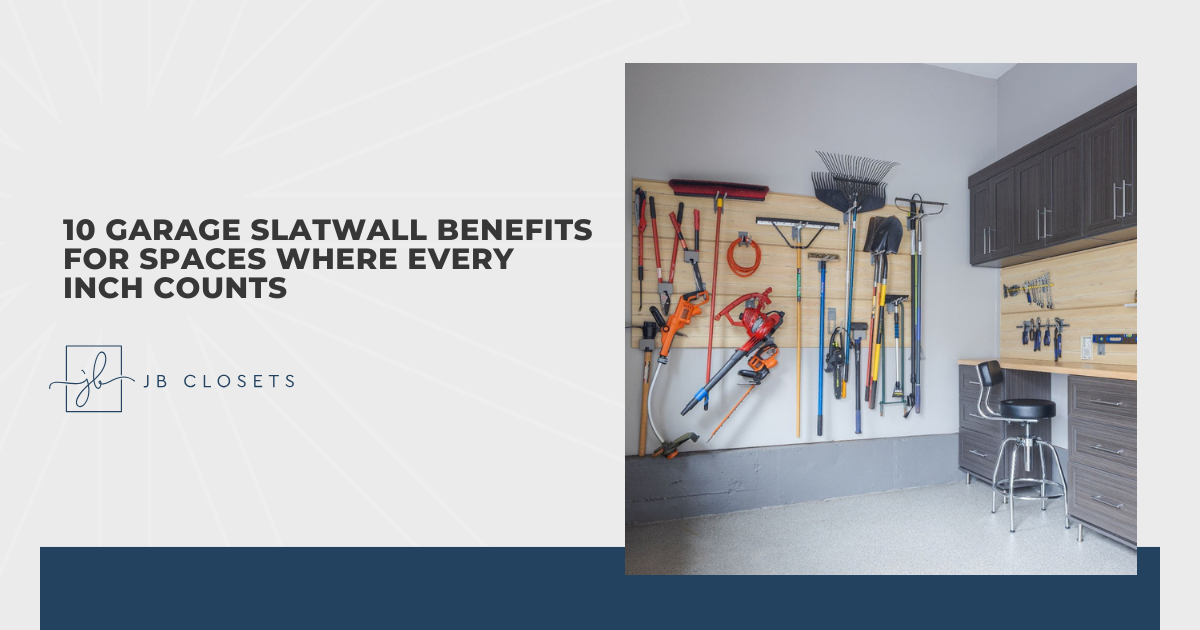
10 Garage Slatwall Benefits for Spaces Where Every Inch Counts
By Bret Chevrier • September 22, 2026
Turn wasted wall space into real storage with garage slatwall, which is a flexible system designed to keep tools organized and floor space clear in any garage.
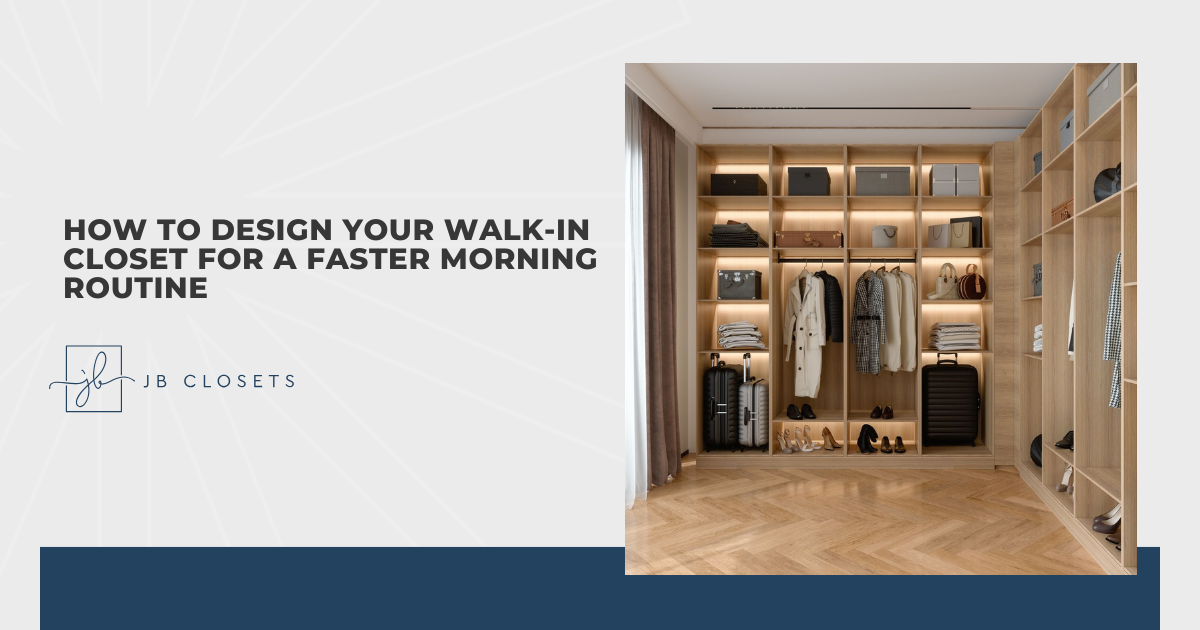
How to Design Your Walk-In Closet for a Faster Morning Routine
By Bret Chevrier • August 25, 2026
Rethink your walk-in closet with a few practical tweaks that help you see what you own, stay organized, and start each day without the usual morning scramble.

Creative Custom Home Office Design Ideas for Small Spaces
By Bret Chevrier • July 20, 2026
Explore creative custom home office design ideas for small spaces, including built-in desks, closet conversions, and clever space-expanding lighting solutions.

How Much Does It Cost to Install Custom Garage Cabinets?
By Bret Chevrier • June 29, 2026
Learn what custom garage cabinets cost to install and the factors that shape your final price so you can set a realistic budget before you call an installer.
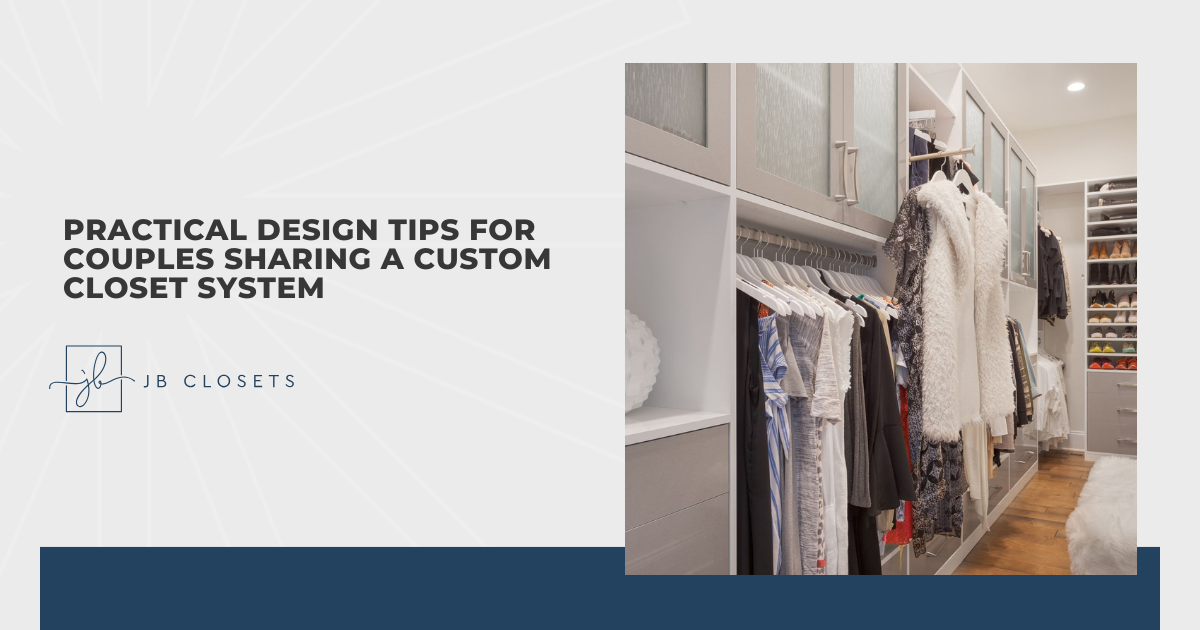
Practical Design Tips for Couples Sharing a Custom Closet System
By Bret Chevrier • June 26, 2026
Design a custom closet system that two people can share comfortably with smart zoning, adjustable storage, and a layout planned around how you both get ready.
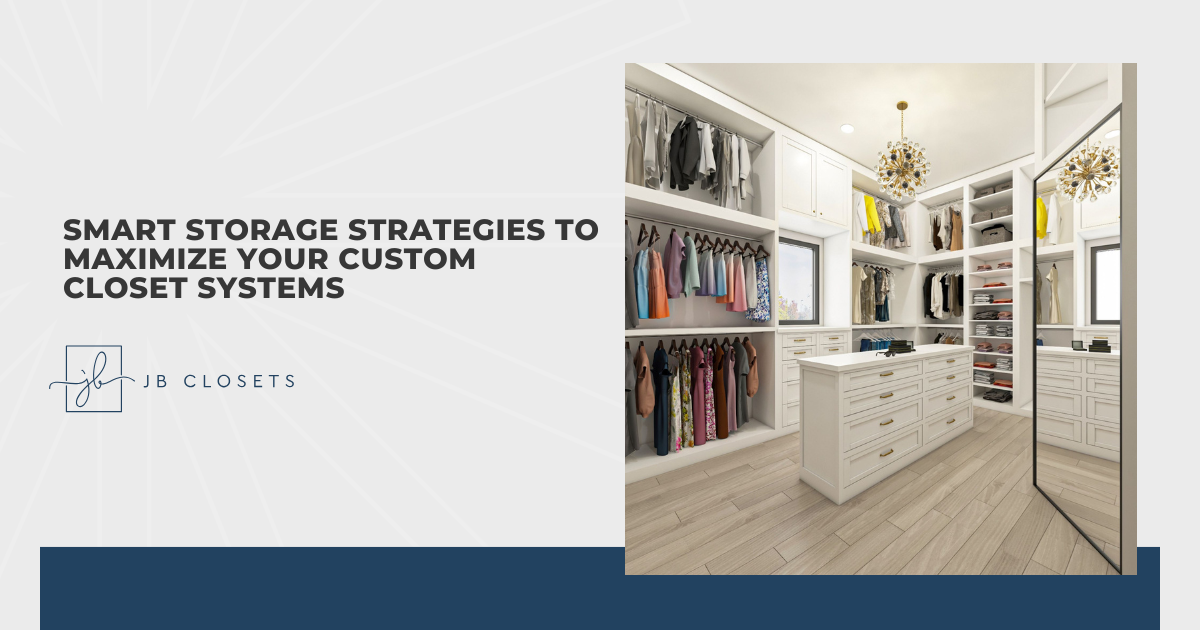
Smart Storage Strategies to Maximize Your Custom Closet Systems
May 28, 2026
Learn how to get more out of your custom closet system with simple storage strategies that keep your space organized, functional, and working for you every day.
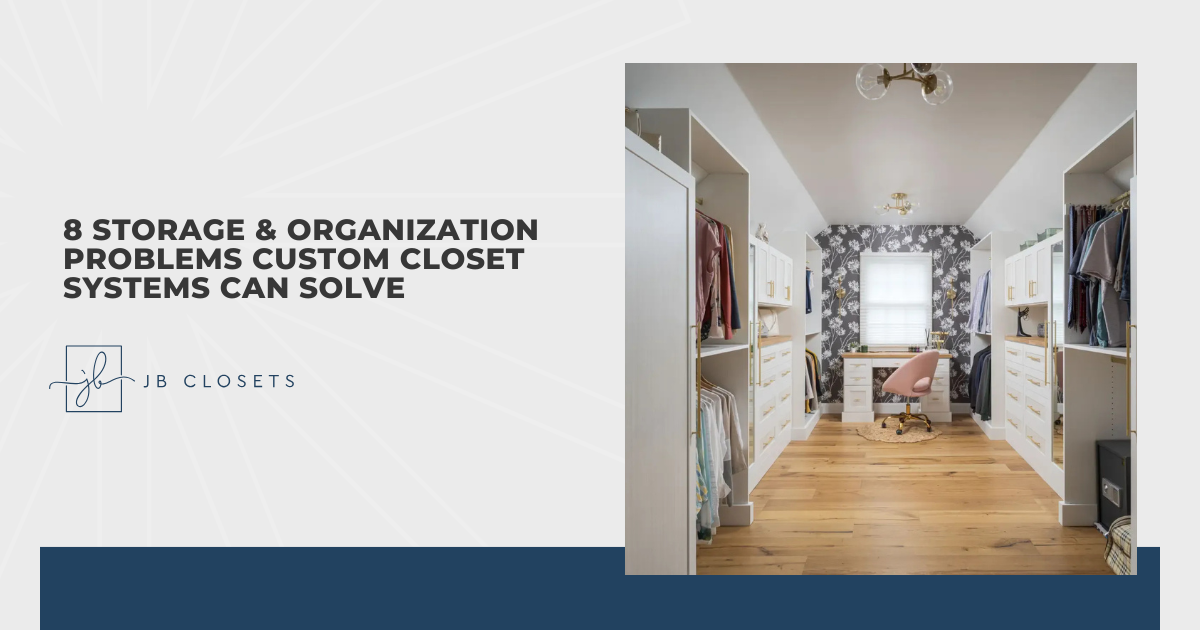
8 Storage & Organization Problems Custom Closet Systems Can Solve
By Bret Chevrier • May 28, 2026
Discover how custom closet systems can solve the most common storage and organization problems homeowners face, from limited space to cluttered entryways.
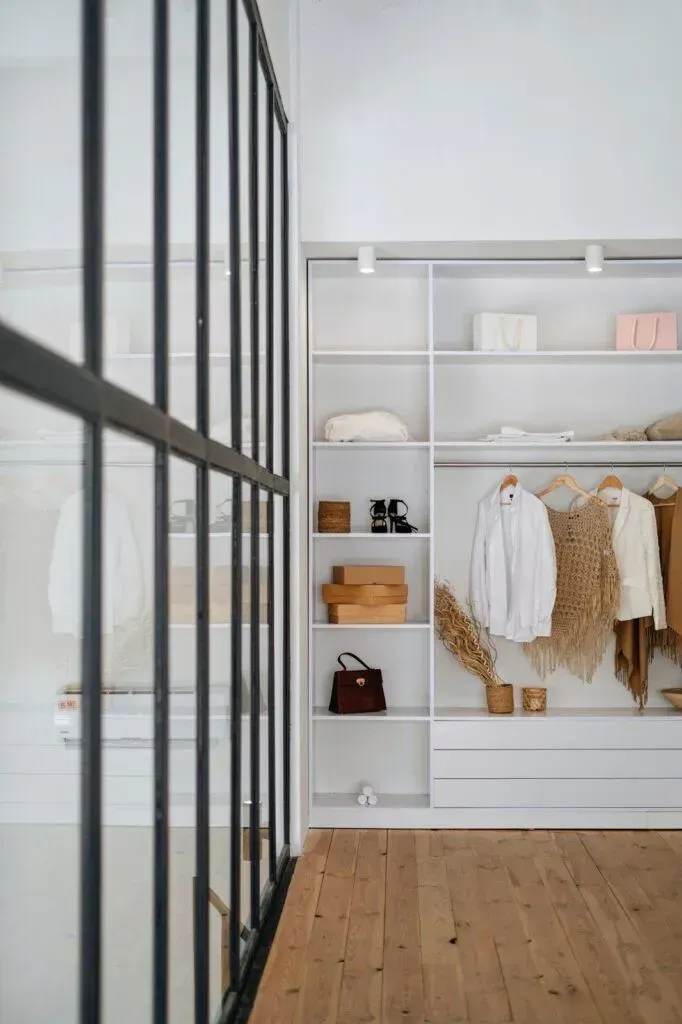
Custom Closet Design Tips for Small Bedrooms
By Bret Chevrier • September 28, 2023
Maximize your small bedroom with custom closet design tips that enhance storage, improve organization, and create a stylish, clutter-free space.

Small Entryway Closet Makeover: Space Saving Tips
By Bret Chevrier • September 14, 2023
Transform your small entryway closet with smart space-saving tips, clever organization ideas, and stylish solutions to keep your home tidy and functional.
Show More